
Police, outreach workers team up in pilot project to help drug users access treatment, services
By Chandler Watkins
PORTLAND Ore. (KPTV) - On Wednesday, the Portland Police Bureau’s Central NRT Bike Squad, Oregon State Police, and outreach workers from Mental Health and Addiction Association of Oregon teamed up again to help drug users to seek treatment rather than face arrest.
This is the fourth time the groups have come together for this pilot project. A FOX 12 crew followed along the last time the agencies met up last December.
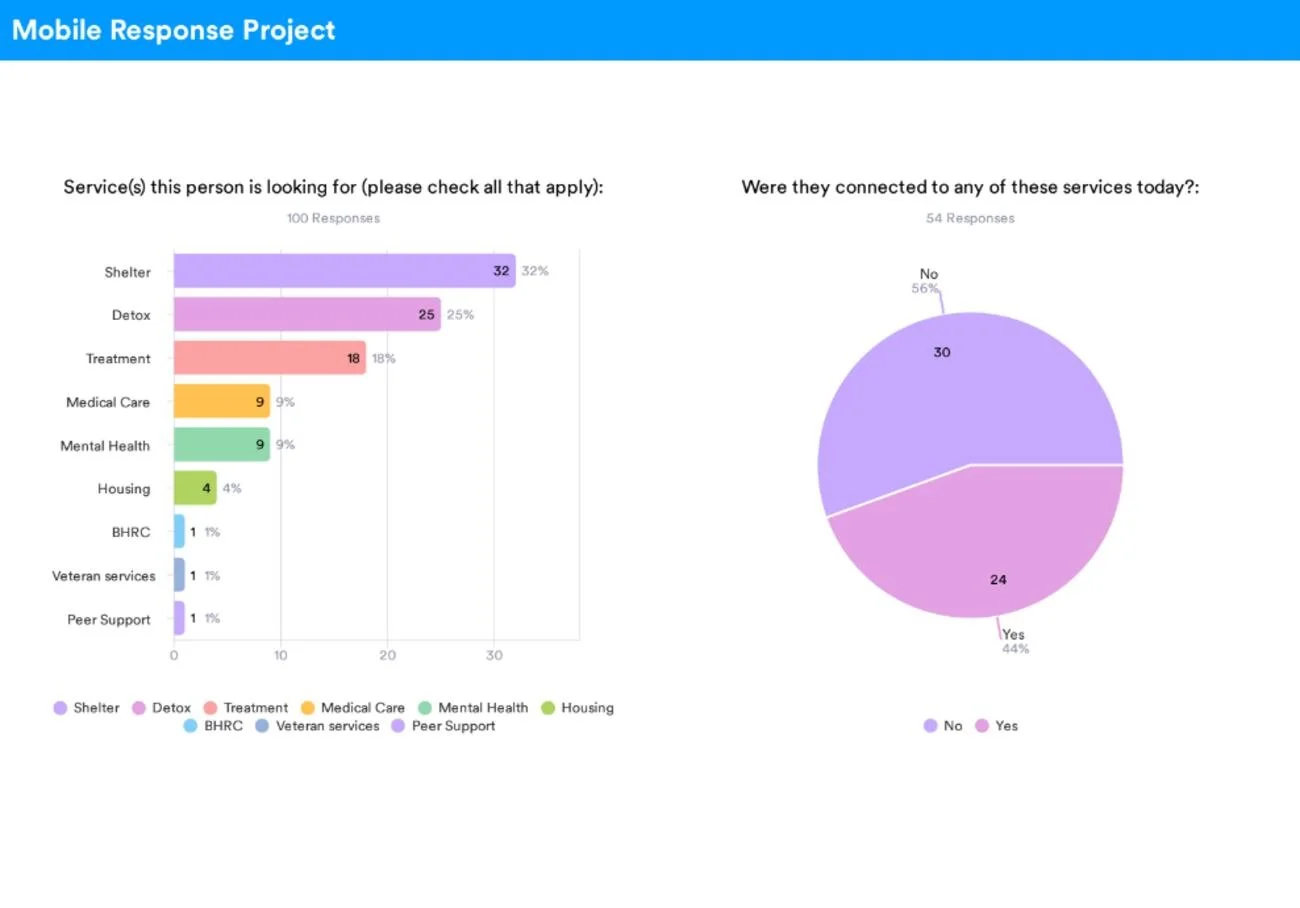
“We’ve been working with Portland Police and OSP and intervening in Measure 110 stops to provide immediate peer support,” said John Karp-Evans, the Behavioral Health Resource Center Senior Program and Operations Director. “To offer those individuals access to services such as detox, medical care, shelter, housing, all those kinds of services.”
As the agencies continue to come together every few weeks, those involved say they’ve been able to adjust and adapt to how they approach individuals on the streets.
“Everyone involved has a better picture of what they’re doing and we figured out how to accurately approach people in the right moment and offer services that they need in the moment,” said Karp-Evans.
“Every time we do this, it’s getting better and better because we are figuring things out and we are learning as we go,” said Tera Hurst, the Executive Director for the Health Justice Recovery Alliance. “One of the really important takeaways is the relationships that are being built between outreach workers and police officers and the different providers that work together. We have Miracles Club, NW Instituto Latino, MHAAO, and Recovery Works NW all working together in the same room and learning from each other. It’s kind of an exponential ripple effect in a positive way with how we are connecting with people.”
Officer David Baer, the PIO for Portland Police Bureau’s Central NRT Bike Squad agrees.
“Honestly it’s been going great,” said Baer. “I know there are a lot of eyes on this program with certain political trends going on in the state, but in terms of on-the-ground support and the interactions between ourselves, people we find using drugs in public and the folks we are partnering with on this pilot project with its honestly been going pretty good. Today we had a woman flag us down who said they heard we have people with us. She wanted to talk with them. We were able to connect that person with services today, right here on the street.”
Hurst says the woman was able to be brought in by an outreach worker to receive medical care and was working with them to set up a treatment plan.
“This works,” said Hurst. “You don’t need a criminal sanction to get people to healthcare. We’ve already placed and dropped off at least two people to detox today. I think people need to understand just how impactful that is on a person to meet them when they’re ready and to be able to get them directly to the care that they need without any traumatic interactions.”
Hurst states that everyone who has been connected to detox through this pilot project has completed their care and has gone on to the next treatment.
“This isn’t just a quick 24-hour solve,” said Hurst. “This is long-term recovery at the beginning. This takes time to get right, but when we do it right, real lives change.”
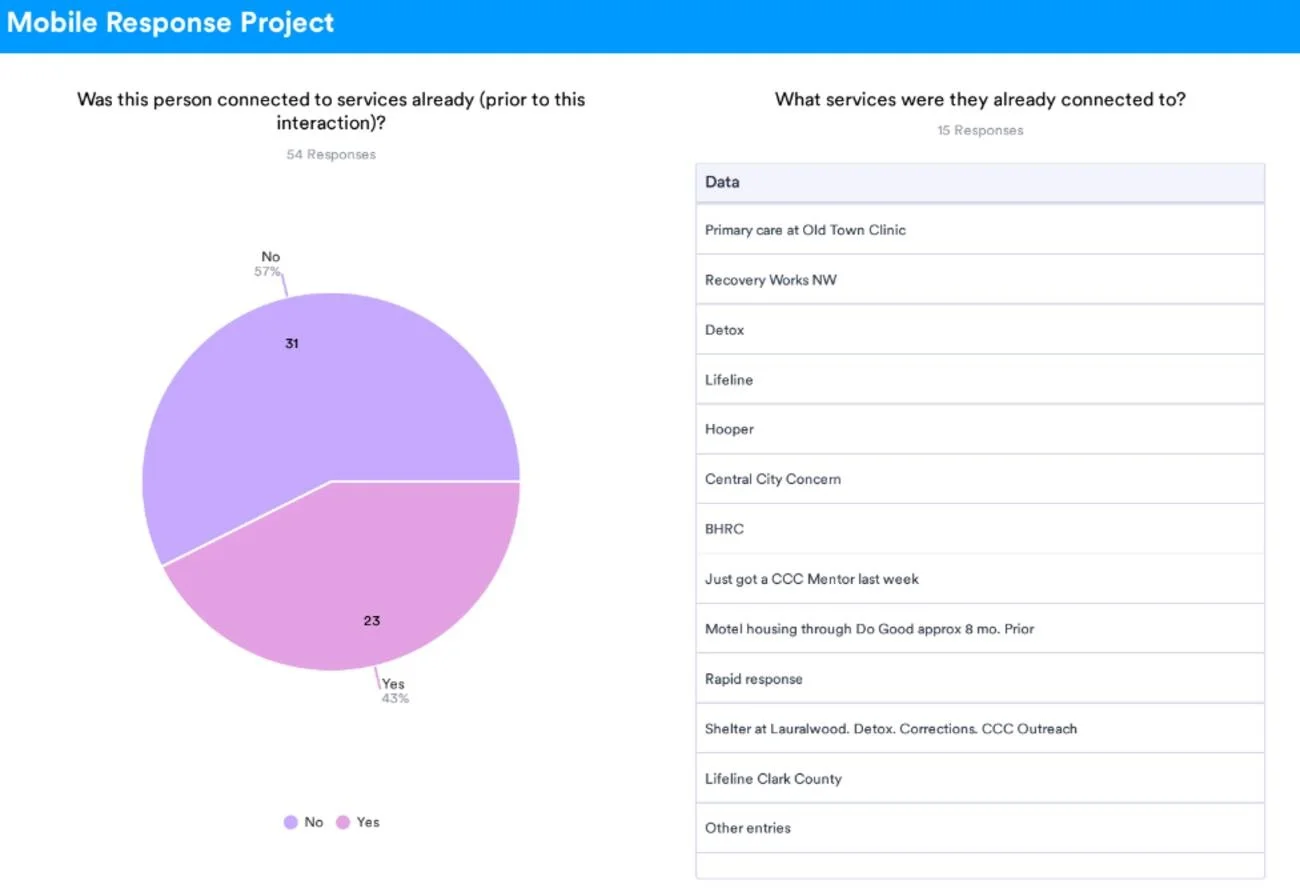
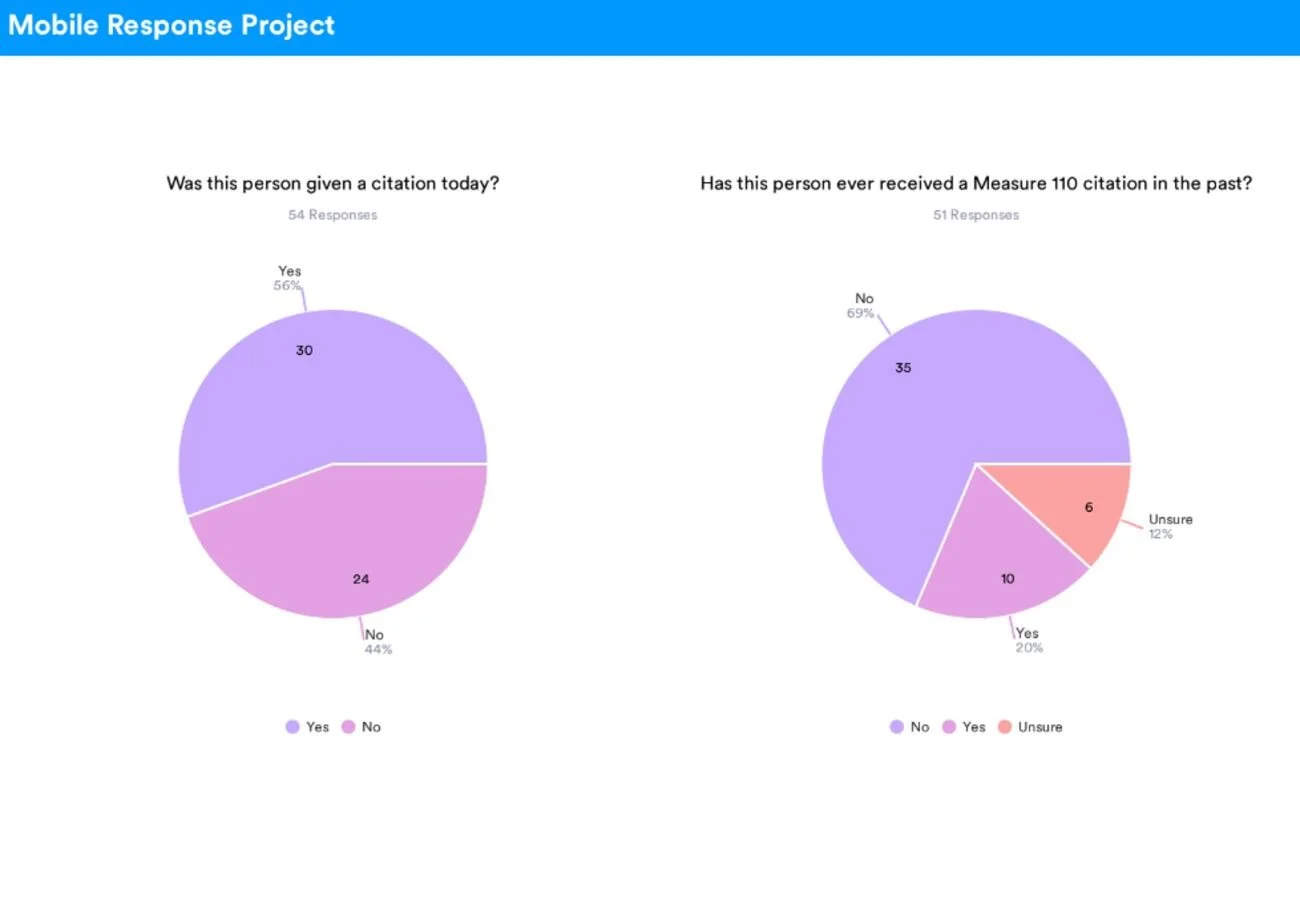
The data from the first three team-ups was provided to FOX 12 by the Mental Health & Addiction Association of Oregon:
Pilot Event #1 included 4 Portland Police Bureau officers, eight troopers from Oregon State Police, and 16 outreach workers from MHAAO, Northwest Instituto Latino, and RecoveryWorks NW. There were 67 total law enforcement encounters, which resulted in eight citations. Seventeen of those approached by law enforcement agreed to speak with an outreach worker. Of those 17, four people received same-day connection to services.
Pilot Event #2 included four Portland Police Bureau officers, 10 troopers from the Oregon State Police, and 16 outreach workers from MHAAO, NWIL, Miracles Club, and Recovery Works NW. Out of 19 law enforcement encounters, eight citations were issued. Thirteen of the individuals asked for law enforcement to connect them with an outreach worker. Twelve individuals were connected to services that same day.
Pilot Event #3 included 3 Portland Police Bureau officers, nine Oregon State Troopers. Nine citations were issued during 18 total encounters. (Portland Police were called away during a portion of the day, meaning that many of the outreach encounters on this shift were not the result of law enforcement calls.) Of these encounters, 18 people asked to speak with an outreach worker, and seven people were connected to services that same day.
Police, outreach workers team up in pilot project to help drug users access treatment, services(KPTV)
Police, outreach workers team up in pilot project to help drug users access treatment, services(KPTV)
Police, outreach workers team up in pilot project to help drug users access treatment, services(KPTV)
Those involved in the project say they’re encouraged and find the results promising.
“I think what we are seeing is when we provide this peer lens for individuals dealing with police, we are able to offer that lived experience and say ‘Hey, this is what happened to me’ or ‘Hey, I know how this feels. These are the things we can help you with.’ Individuals seem to be more responsive than to just law enforcement. We’re diverting people from involvement with the criminal justice system and getting them to treatment, detox, and shelter opportunities. The data speaks. It shows it can be done without criminal justice involvement.”
One of the outreach workers, Ricardo Garcia, says building trust helps get people into treatment and detox.
“I’m a peer with lived experience and I identify with the challenges these individuals face,” said Garcia, an MHAAO Program Manager. “Working closely with our partners, we’ve built strength, hope, and courage. Lots of people out here are abandoned or don’t know where to get help. Us being out in the field is really crucial. A lot of people don’t know where the resources are or who to contact. Us being there, showing up, sharing our lived experience, the challenges people face with mental health or addiction is really a huge plus for those individuals.”
“This is truly a team effort from a variety of institutions and agencies coming together who see the reality of how it is in downtown Portland on the ground and what the current state is down here,” said Baer. “It’s really kind of a heavy lift by everyone combined because this is not a one-size-fits-all problem. There are certain people who need certain things from their treatment providers that luckily we are partnered with The Miracles Club, NW Instituto Latino, Recovery Works, MHAAO. They are able to find specific peer support specialists that best fit that person’s needs today.”
Officer Baer says he while the pilot project is still in the early stages, he and others involved would like to see it eventually expanded.
“We would like to expand this pilot project,” said Baer. “To multiple days a week and city-wide. We would like to bring in the regular officers on patrol who are responding to 911 calls and so hopefully in their spare time could connect people with resources. Again, we are in the early stages of the pilot project, but so far the results we are seeing in terms of giving people the help they need and hopefully reducing the amount of public drug use is positive. We would like to expand going forward.”
As for criticism of the pilot project, Baer suggests people come and experience the project firsthand.
“A lot of people think this is a waste of time or that we can arrest our way out of this problem,” said Baer. “None of those people ever come out on a bike-along. I don’t see them downtown. This is the reality of the streets. Measure 110 was passed by Oregon voters, it’s the current law of the land, so we are doing everything possible as a police bureau to partner with folks to get people help to hopefully reduce that public drug use, reduce overdoses, and reduce deaths downtown.”
Garcia agrees.
“I think it’s too early and great things take time,” said Garcia. “I’ve helped a lot of people get into treatment and detox. To hear people say it’s not working is confusing. I believe the work is being done. I’ve seen the work being done.”
Officer Baer says District Attorney Mike Schmidt came out on Wednesday to see how the pilot project was going; he invites other elected officials to do the same.
The DA’s office released this statement on Thursday:
“I am incredibly encouraged to see this outreach work happening. The partnership between police and behavioral health practitioners immediately helps people suffering from addiction connect to services on demand. This is the type of response I believe people envisioned with M110, and I would like to see this work continue and expand to other areas of Portland.”
The fourth gathering for this pilot comes the day after Democratic state lawmakers unveiled a new bill that would undo a part of Measure 110: to recriminalize the possession of small amounts of drugs as a low-level misdemeanor, enabling police to confiscate them and crack down on their use on sidewalks and in parks.
“People are hearing a lot of rhetoric around needing a hammer to get people into treatment,” said Hurst. “We don’t need a hammer. We need treatment. People, when they are offered it, want it. We have to be able to offer it and have it. We can’t go too fast because we don’t have enough beds to offer people. The reason this is successful and these organizations are successful is because they can offer something they know they can connect somebody with. We’re only able to do that every ten days. The police aren’t out in a patrol like this except every 10 days or so with OSP. We know this works and we don’t need criminalization as a fear tactic to push somebody into healthcare.”
Hurst says undoing Measure 110 won’t work and says it would be more effective to put resources towards treatment services that are needed across the state.
“Criminalization has had 50 years to show that it’s effective and it hasn’t any effect,” said Hurst. “What it’s done is make our drug supply more toxic, more overdose deaths than we’ve ever experienced before, more addicted, and more people incarcerated. The idea that we would even go back to that solution, even if it is a lower-level solution, is the definition of insanity. They are trying the same thing over expecting different results.”