CARE OVER PUNISHMENT
THE LEGACY OF HJRA
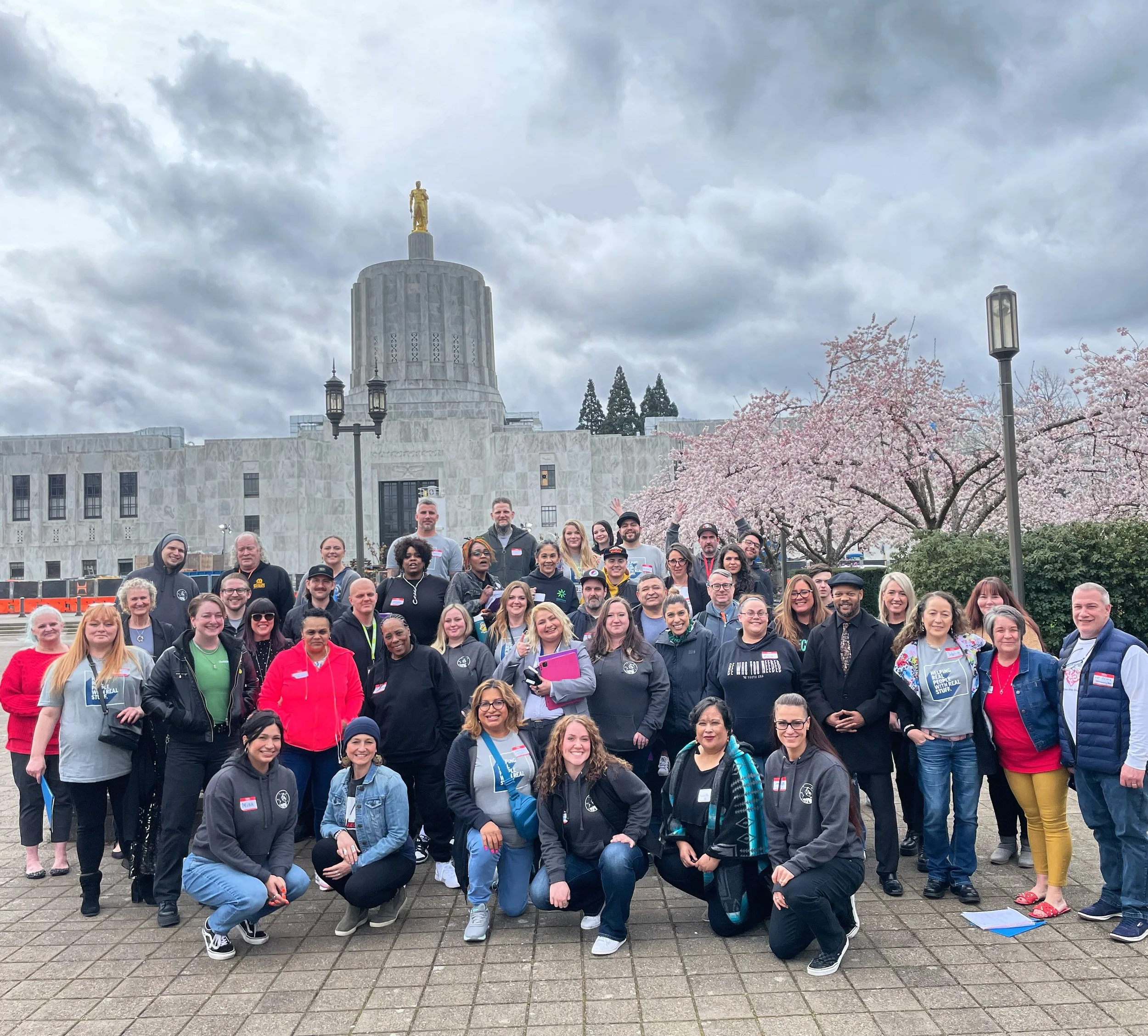
We didn’t win it all — but in the process, we changed everything.
HJRA helped Oregon begin to build a care-first approach to substance use, successfully advocating for the infusion of hundreds of millions of dollars into overdose prevention and recovery services that save lives.
We changed the public conversation.
We built consensus where there had been conflict, and united Oregonians around a shared vision: substance use is a health issue, and care must replace stigma and punishment. We showed that a system rooted in compassion is not only possible — it’s necessary.
We didn’t get the time or space we needed to finish the work. But we pushed as far as we could — through a pandemic, a fentanyl crisis, public fear, and political backlash. Even when the system faltered, the vision held.
We showed what’s possible.
We protected funding for vital services. And in doing so, we laid a foundation others can build on — to help communities heal, and to carry forward the vision we all deserve.
Our Story: A Timeline
This timeline tells Measure 110’s story, and HJRA’s role leading the movement to properly implement and preserve it.
It is a tribute to that fight.
To the movement we built together. To every person who pushed for a more just and compassionate future. And to the lives that are brighter today because the help they needed was finally within reach.
2020
November 2020Oregon voters pass Measure 110
Oregonians understand that decades of treating substance use as a criminal issue rather than a public health one isn’t working. So, in 2020, Oregon becomes the first state to decriminalize small-scale drug possession and invest cannabis tax revenue in substance use recovery, harm reduction, and support services.
december 2020HJRA is founded to lead implementation and advocacy
Originally intended as a one-year project, HJRA launches to ensure Measure 110 is implemented equitably and serves communities most harmed by the drug war, especially Black, Latino, Indigenous, rural, and low-income communities. Learn more.
2021
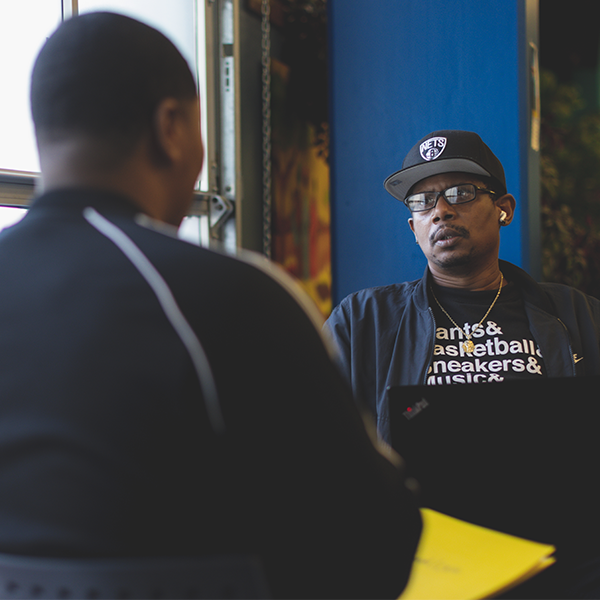
january 2021Lived experience gets a voice in Oregon drug policy reform
HJRA ensures that Measure 110’s Oversight and Accountability Council (OAC) includes people with lived experience and community-based expertise—a historic shift. For the first time in Oregon’s history, a volunteer body made up of directly impacted individuals is empowered to help oversee the distribution of hundreds of millions of public dollars for substance use services.
January 2021HJRA secures voice in the legislative implementation of Measure 110
HJRA joins the Senate Judiciary and Ballot Measure 110 Implementation Committee, a formal legislative workgroup tasked with translating the will of the voters into policy. As one of the few community advocacy organizations at the table, HJRA plays a key role in shaping the law’s rollout across Oregon.
February 2021Measure 110 takes effect
Measure 110 ends criminal penalties for personal drug possession and launches Oregon’s shift toward a health-centered approach to substance use. To support this shift, the State launches a 24/7 hotline designed to help people connect with existing treatment, harm reduction, and support services.
“Our vision is that by funding [Measure 110 Behavioral Health Resource Networks], there will be a collaboration of networks that include culturally and linguistically specific and responsive, trauma-informed and gender affirming care that will meet the needs of anyone seeking services who have been negatively affected by substance use and the war on drugs.”
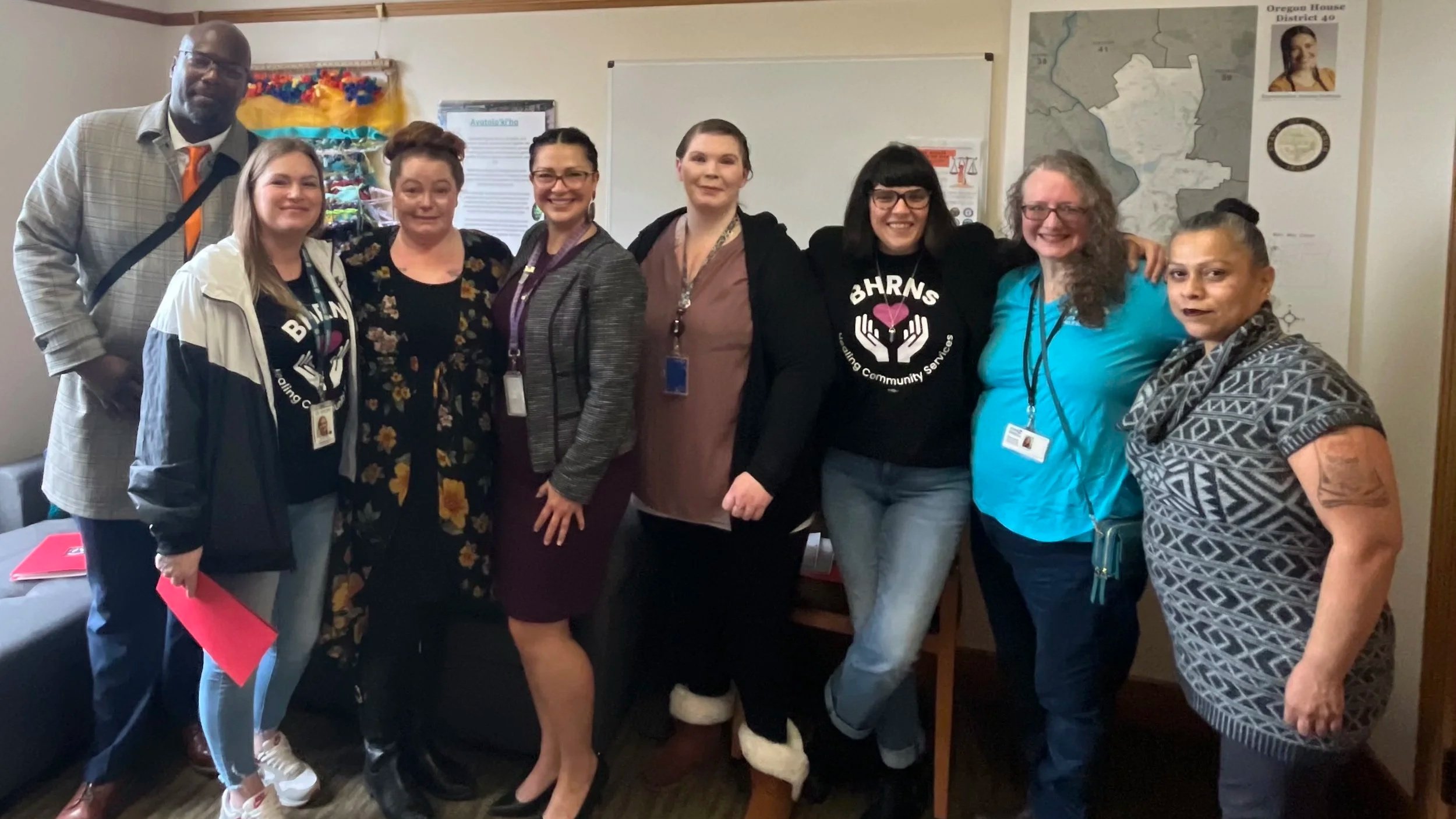
MAY 2021HJRA unlocks $33M in emergency funding
HJRA successfully advocates for the release of $33 million in Measure 110 Access to Care grants, which provides vital support for recovery housing, peers, and overdose prevention services during the COVID crisis. Funds reach 48 community-based organizations, Oregon’s nine Tribes, and the Urban Indian Health Program. These programs deliver culturally responsive services to communities most impacted by substance use.
JUNE 2021HJRA secures the passage of SB 755
HJRA helps pass a critical bill that clarifies Measure 110’s implementation and directs funds to communities most harmed. “SB 755 is a critical next step in changing a system that has, for over 50 years, harmed people instead of helping them. Big structural change like this takes time, and SB 755 creates the blueprint to build the foundation of a successful program,” says Tera Hurst, Executive Director of HJRA.
-
Bridges to Changes, a peer-led organization, expanded services at a recovery house in The Dalles that had been previously set to close.
Jackson County expanded emergency shelter access to an additional 1,344 clients.
Oregon Change Clinic, an intensive outpatient center, created temporary, culturally-specific housing for 28 African Americans and veterans. Four had been released from incarceration into homelessness and are now housed and employed.
CORE, a harm reduction non-profit in Lane County, increased street outreach from four times a month to four times a week and expanded outreach services into rural areas.
2022
january 2022Measure 110 funding stalls and disrupts the distribution of critical recovery funds
Oregon Health Authority (OHA) misses its deadline to award $270 million in Measure 110 grants. Delays heighten urgency as providers await resources amid rising need.
january 2022HJRA demands action
HJRA launches a high-profile public pressure campaign demanding OHA release the $270 million earmarked for statewide substance use services. Media coverage, provider testimony, and mounting public outrage force the issue into the spotlight—raising the stakes for lives hanging in the balance.
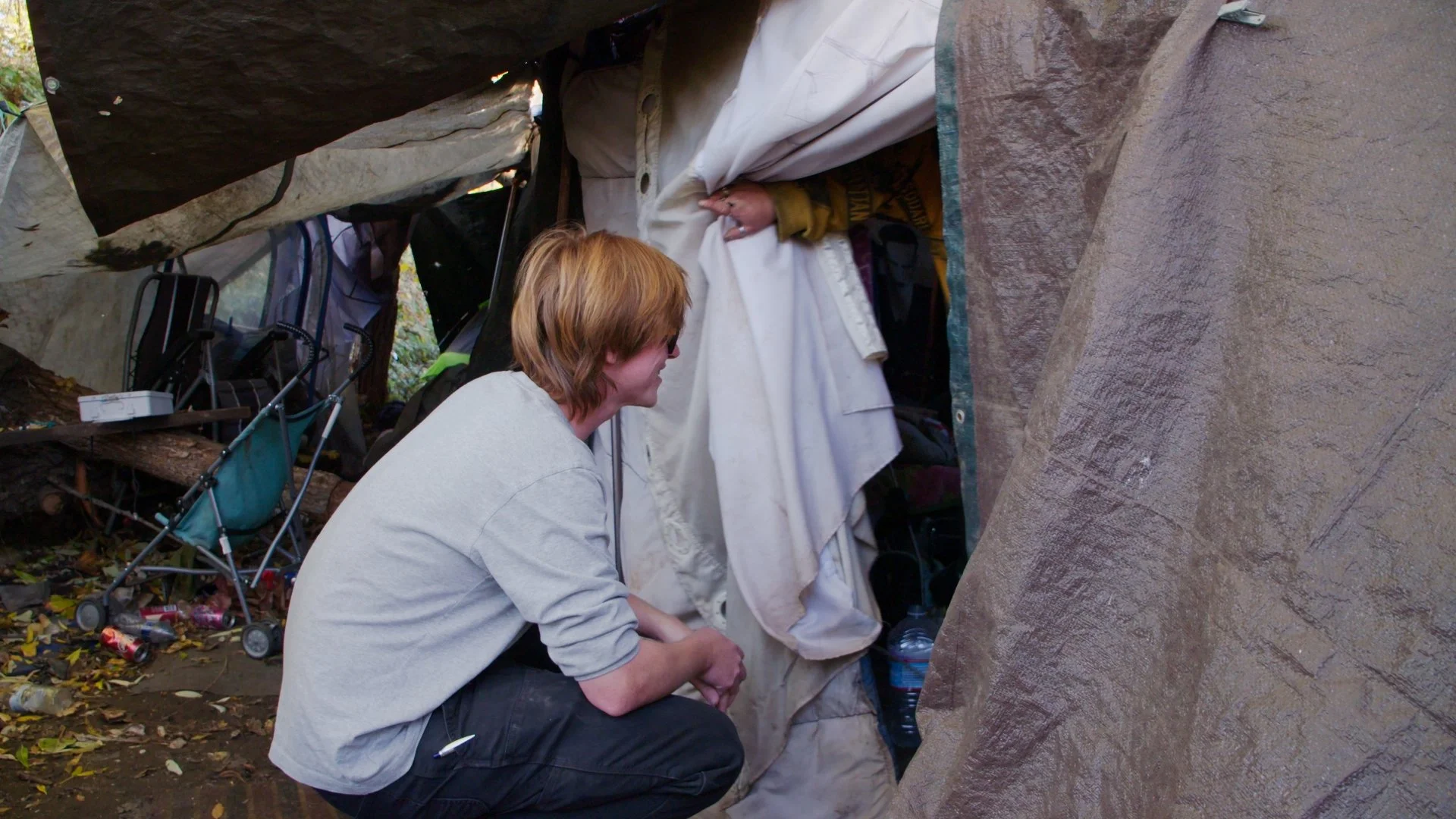
february 2022HJRA advocacy ensures early funds reach 16,000 people
In its first six months, Measure 110 funding provides lifesaving support to tens of thousands of individuals across Oregon struggling with substance use.
-
Willamette Week: Lawmakers Again Try Diverting Money From Substance Abuse Treatment to Policing Illegal Cannabis Grows—and Again Reconsider
Portland Business Journal: Oregon senator drops bill to shift addiction treatment funds to police
Willamette Week: Legislators Look to Mine Drug Treatment Money for Law Enforcement
APRIL 2022Funding delays continue and HJRA launches a statewide pressure campaign
Months of inaction give way to mounting outcry from providers, the press, and the public demanding that lifesaving resources finally reach the people they were meant to help. “People are dying every day, and we just can’t wait any longer to get this money out,” says Tera Hurst, HJRA, to The Lund Report.
SPRING and SUMMER 2022HJRA amplifies early success stories
HJRA works with New York Times’ neuroscience journalist, Maia Szalavitz, on a guest essay to highlight the impact of M110-funded programs across the state: Treating Addiction as a Crime Doesn’t Work. What Oregon Is Doing Just Might.
june 2022HJRA launches the Technical Assistance Hub
The Technical Assistance Hub begins supporting 75+ culturally specific providers with grants, compliance, operations, and HR.
JUNE 2022Measure 110 grant awards finally begin to be dispersed
Following sustained pressure from HJRA, Oregon Health Authority (OHA) issues the first round of Measure 110 award letters. This allows some providers to begin contract negotiations and plan their program budgets.
SEPTEMBER 2022Three months later, all counties receive BHRN funding
OHA and the Oversight and Accountability Council (OAC) approve BHRN grant awards for all 36 Oregon counties. Some counties receive funding for overdose prevention services for the first time.
OCTOBER 2022SPOTLIGHT: New family recovery housing opens in Salem
With Measure 110 funding, Iron Tribe Network opens a new recovery home for parents and children — providing stability and dignity for families to heal together.
FALL 2022HJRA leads educational campaign to counter misinformation
Even with the influx of new funding from Measure 110, the demand for services far outpaces the speed of service rollout. Opposition takes advantage of this continued need for support, while public perception about Measure 110 worsens. HJRA counters misinformation through outreach and public education.
NOVEMBER 2022Measure 110 becomes a contentious issue in Oregon's gubernatorial race
The League of Oregon Cities calls for recriminalization.
NOVEMBER 2022$264 million awards to statewide providers
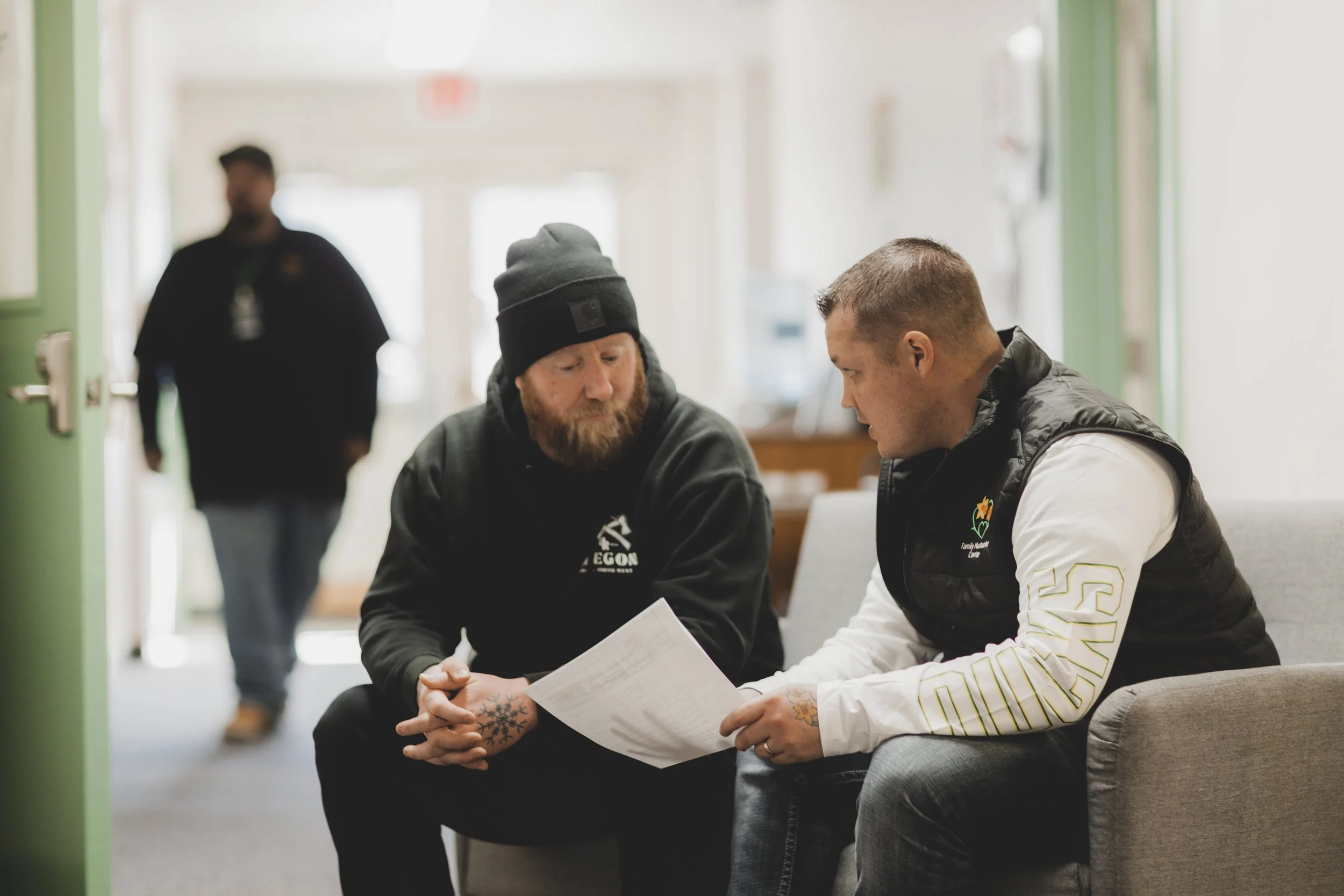
After months of delays and partial disbursements, ongoing pressure from HJRA succeeds and OHA completes full disbursement of Measure 110 funding. Culturally-specific organizations receive historic investments to expand services, hire staff, and launch programs.
2023
JANUARY 2023State audit fuels opposition attacks
The Secretary of State releases an audit discussing the impact of Measure 110 implementation delays. Opponents weaponize the findings to push for repeal, despite warnings that the data is incomplete and it is too early to gauge overall impact.
FEBRUARY-MARCH 2023SPOTLIGHT: Recovery housing network grows statewide
Iron Tribe Network uses Measure 110 funding to open recovery homes in St. Helens and Astoria. In total, their Measure 110-funded housing supports 142 families and creates eight new jobs.
SPRING 2023SPOTLIGHT: Rural outreach in Lane County expands
With Measure 110 funding, CORE increases rural outreach, reaching over 550 people weekly.
SPRING 2023Decriminalization redirects $40M from law enforcement to care
State analysts report $40 million in criminal legal system savings from decriminalization—funds redirected to care. Yet, despite these wins, opposition narratives have had an impact on perception and polling indicates growing favor for repeal. Counties begin placing non-binding repeal measures on local ballots.
may 2023Community comes together at landmark conferences
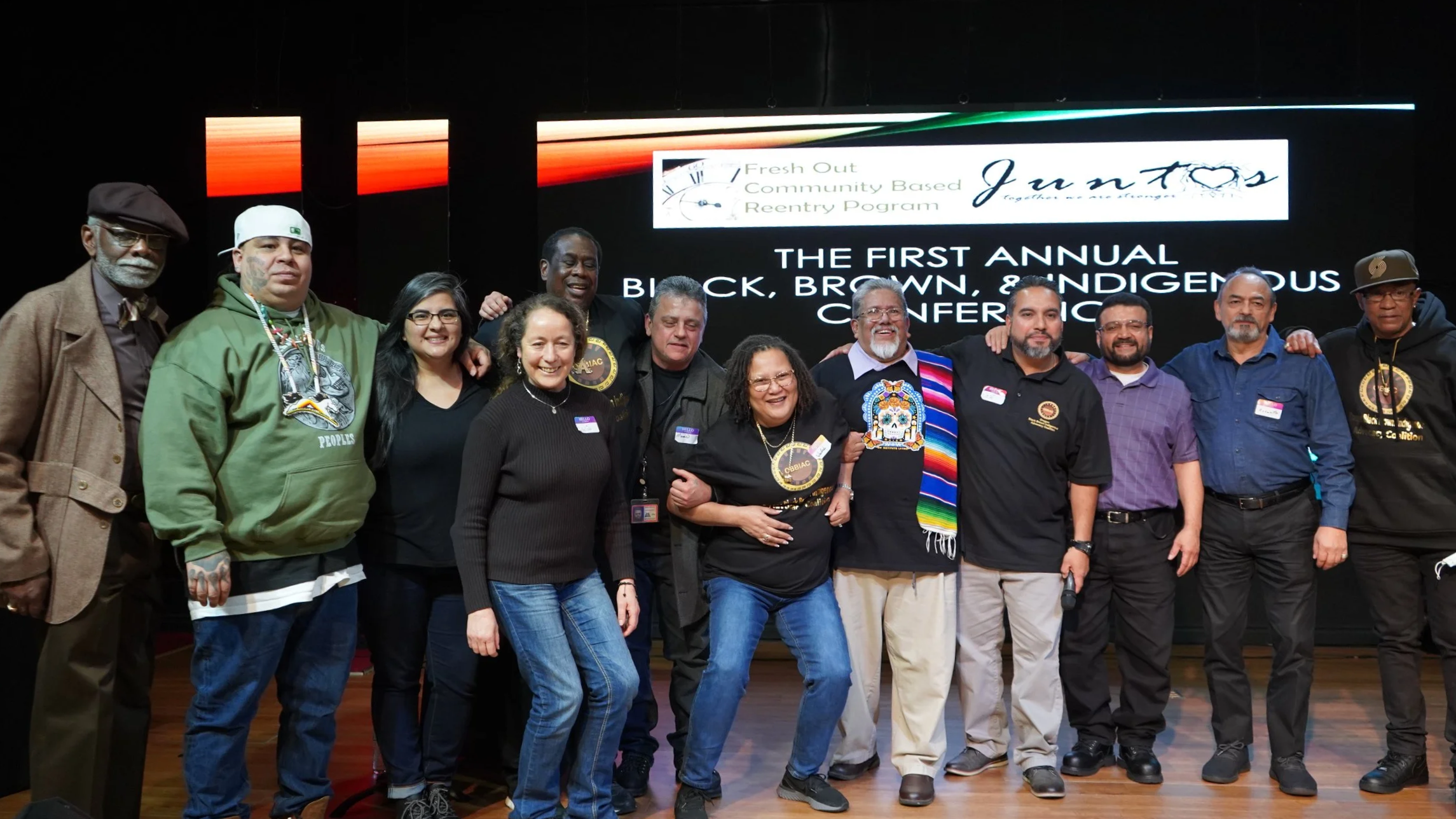
Supported by Measure 110 funding, Fresh Out Community-Based Reentry hosts Oregon’s first African American Conference and Black Brown Indigenous Conference—bringing together leaders, providers, and advocates to center culturally-specific recovery and reentry strategies.
“I have traveled around the state and met with providers and people in recovery who are being helped with Measure 110 without the harm of having to go through the criminal system. When we approach addiction as an illness and not a crime, lives are saved.”
SPRING 2023HJRA champions legislation to strengthen implementation
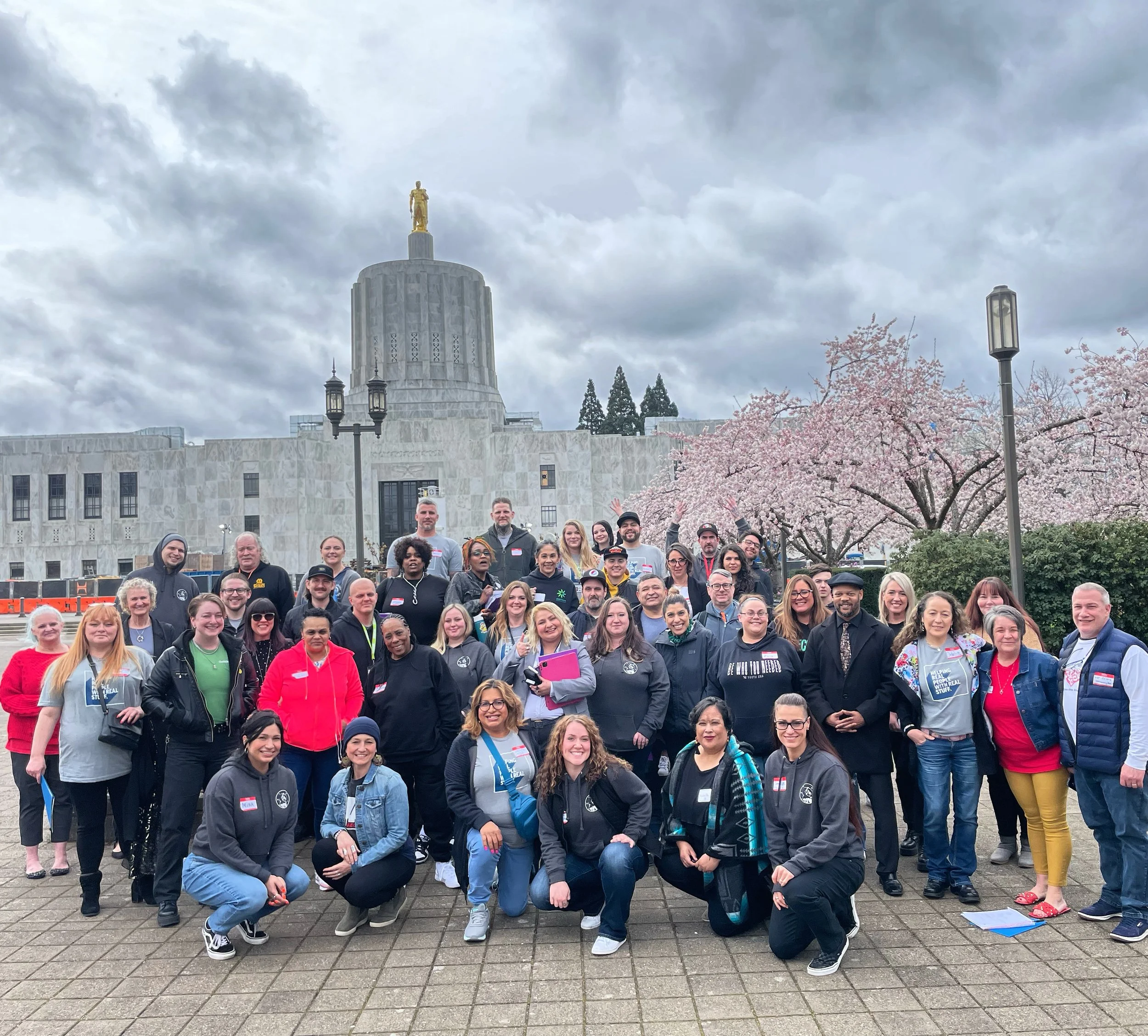
HJRA helps pass HB 2513, the Hope and Recovery Act, to improve fairness, accountability, and transparency in Measure 110 administration.
SPRING–SUMMER 2023HJRA legislative advocacy continues as organized opposition campaigns emerge
People for Portland and Fix & Improve Measure 110 launch aggressive opposition campaigns. Business leaders raise $700,000 for a repeal ballot. To build lawmakers’ understanding of the positive impact Measure 110 is having on our communities, HJRA leads six legislative district tours, showcasing eight Measure 110-funded programs.
JUNE 2023Law enforcement dissatisfaction surfaces
A Portland State University study shows police dissatisfaction with Measure 110. Nonetheless, some law enforcement leaders join HJRA’s delegation traveling to Portugal to learn about the country’s decriminalization law.
SUMMER 2023Measure 110 funding creates 1,100 jobs statewide
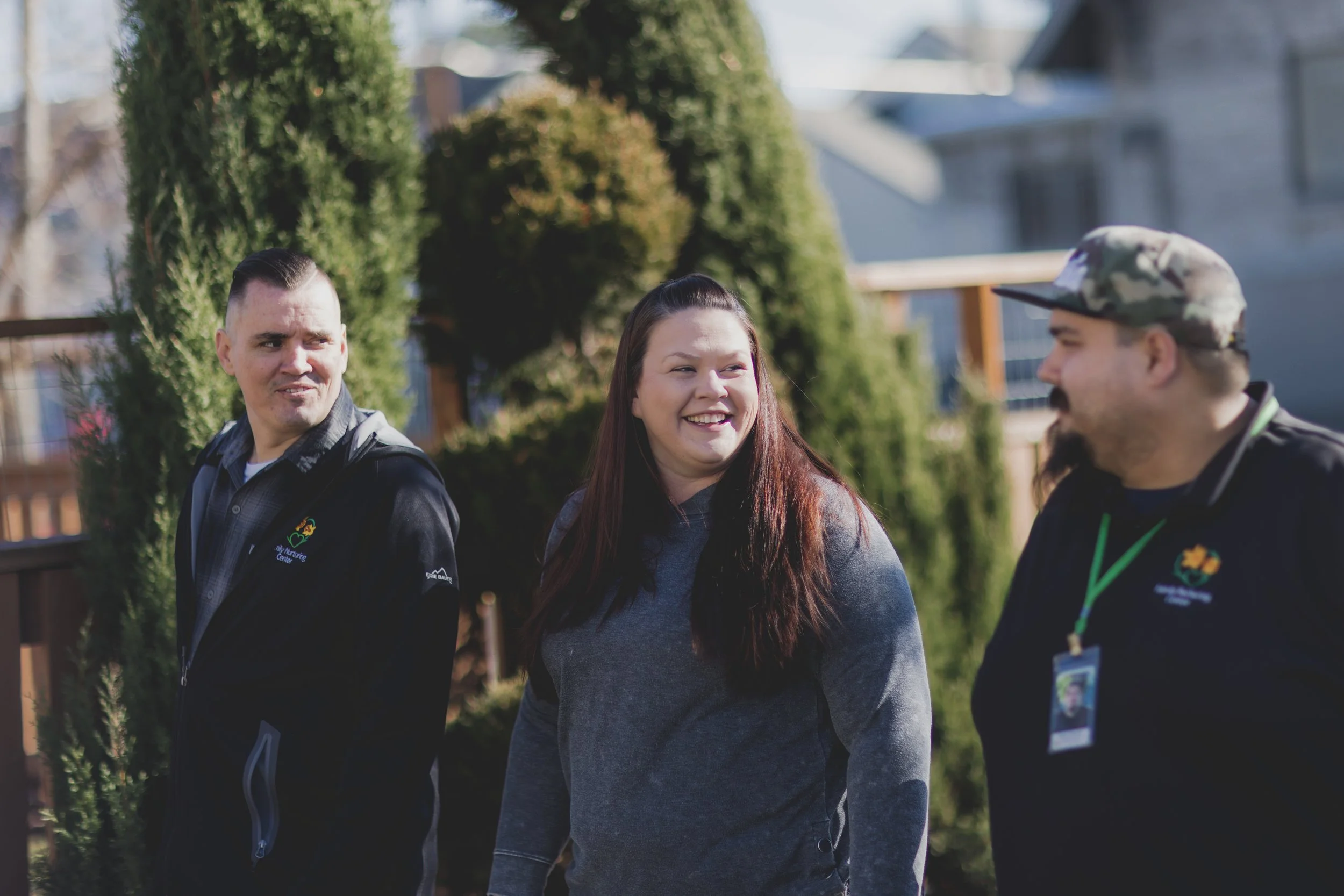
HJRA scales up Technical Assistance to continue supporting providers statewide, offering new workshops.
JULY 2023OHA program lead resigns, citing internal dysfunction within the agency
Angela Carter, the program manager for Measure 110’s within Oregon Health Authority (OHA), resigns, citing “malicious negligence” within OHA, deepening leadership instability.
AUGUST 2023SPOTLIGHT: Culturally-specific Latino case management launches
El Jardín (formerly NW Instituto Latino) becomes Oregon’s first provider of dedicated, culturally and linguistically-specific recovery support for the Latino community.
SEPTEMBER 2023SPOTLIGHT: First Measure 110-funded detox center opens in Portland
Recovery Works NW opens a medical detox center, expanding Portland’s detox capacity by nearly 20%.
FALL 2023Joint legislative committee to reform/repeal Measure 110 forms
The Joint Legislative Committee on Addiction & Community Safety Response is formed, with law enforcement in the driver’s seat. By year-end, the Committee has approved HB 4002, which would repeal the decriminalization provision of Measure 110.
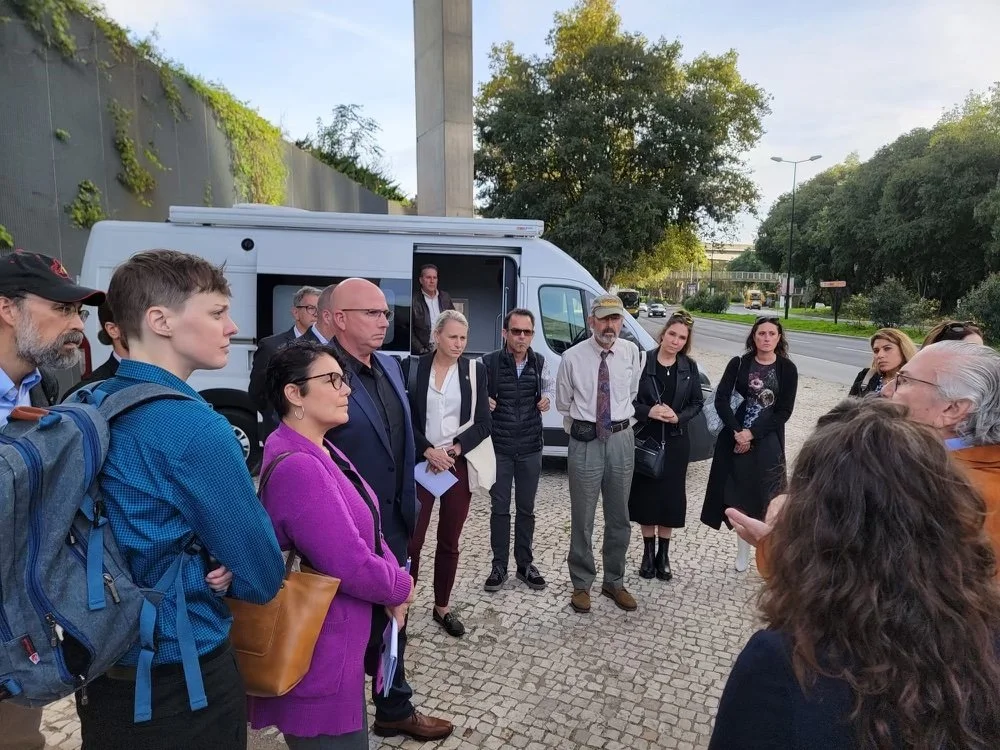
OCTOBER-NOVEMBER 2023HJRA leads Portugal delegation
HJRA brings lawmakers, law enforcement, and providers to Portugal to study its model of decriminalization and overdose prevention. The delegation builds alignment and dispels myths.
DECEMBER 2023Provider-Police pilot launches in Portland
The Provider-Police Joint Connection Project launches, a collaboration to connect people to care instead of arrest. The idea originated from a meeting between HJRA, Mental Health Addiction Association of Oregon (MHAAO), and Portland Police Bureau.
2024
FEBRUARY 2024HJRA mobilizes against Measure 110 rollback
As HB 4002 advances to recriminalize drug possession, HJRA leads a coordinated defense—mobilizing 69 constituents to Salem, coordinating over 3,200 emails to lawmakers, and organizing more than 40 meetings to minimize harm and protect service funding.
FEBRUARY 2024SPOTLIGHT: Recovery Works NW celebrates Newberg site anniversary
One year after its launch, the Measure 110-funded site reports serving 453 clients and delivering over 5,400 treatment episodes in Yamhill County.
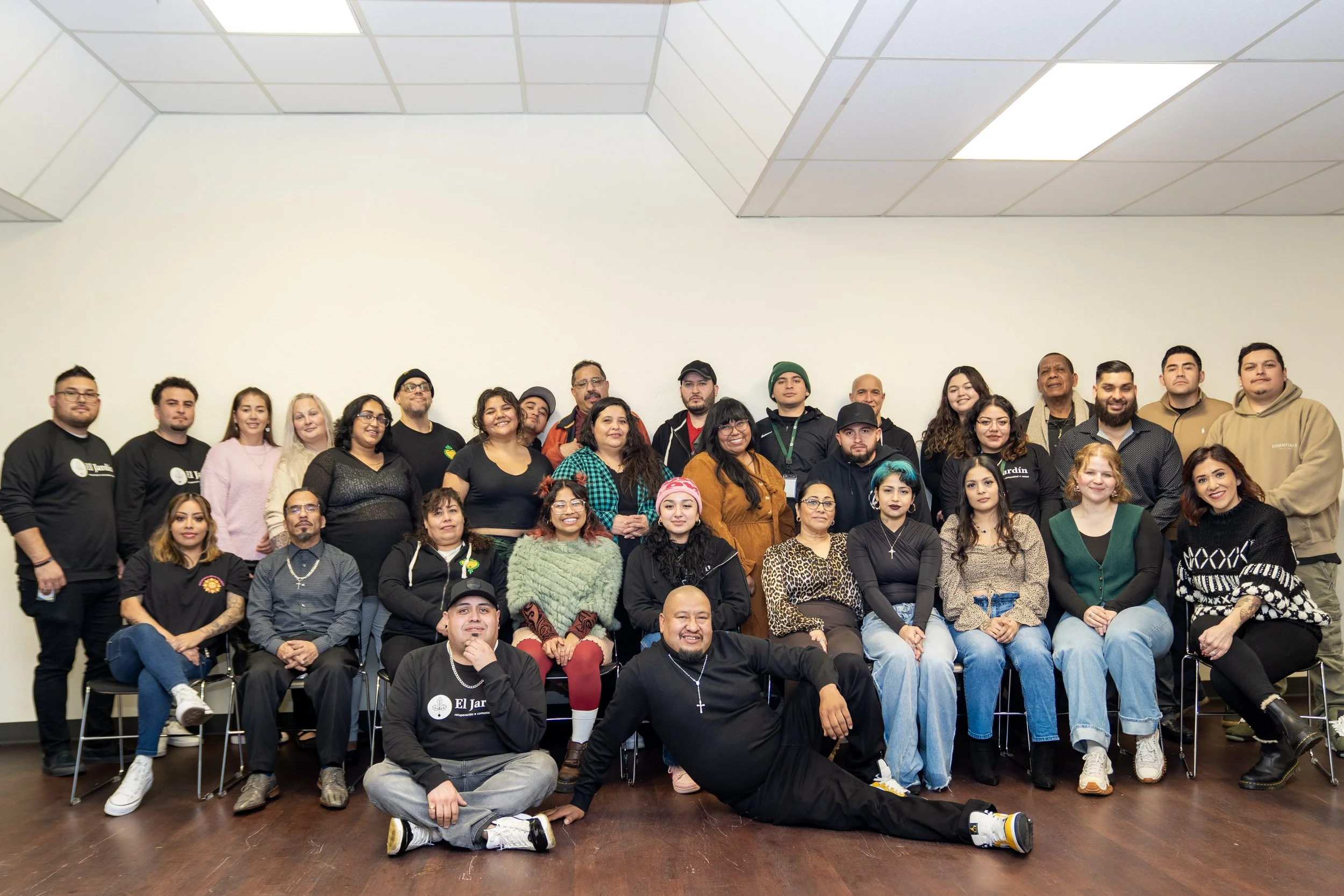
MARCH 2024SPOTLIGHT: Second culturally-specific Latino recovery center opens in Hillsboro
El Jardín launches a walk-in, no-appointment-needed drop-in center for the Latino community in Hillsboro. Services include peer mentorship, harm reduction, housing support, and case management.
APRIL 2024Governor Kotek signs HB 4002 into law, repealing decriminalization
Although the law doesn’t take effect until September 2024, its passage marks a decisive shift away from Oregon’s health-based approach to substance use. In its place, HB 4002 restores misdemeanor charges and introduces “deflection” programs as a partial alternative, allowing counties to opt in and define what deflection looks like in their communities.
JUNE 2024SPOTLIGHT: New harm reduction center opens in Eugene
Funded by Measure 110, White Bird Clinic launches a dedicated center in Eugene offering harm reduction supplies, peer support, counseling, and motel vouchers for clients seeking housing or treatment.
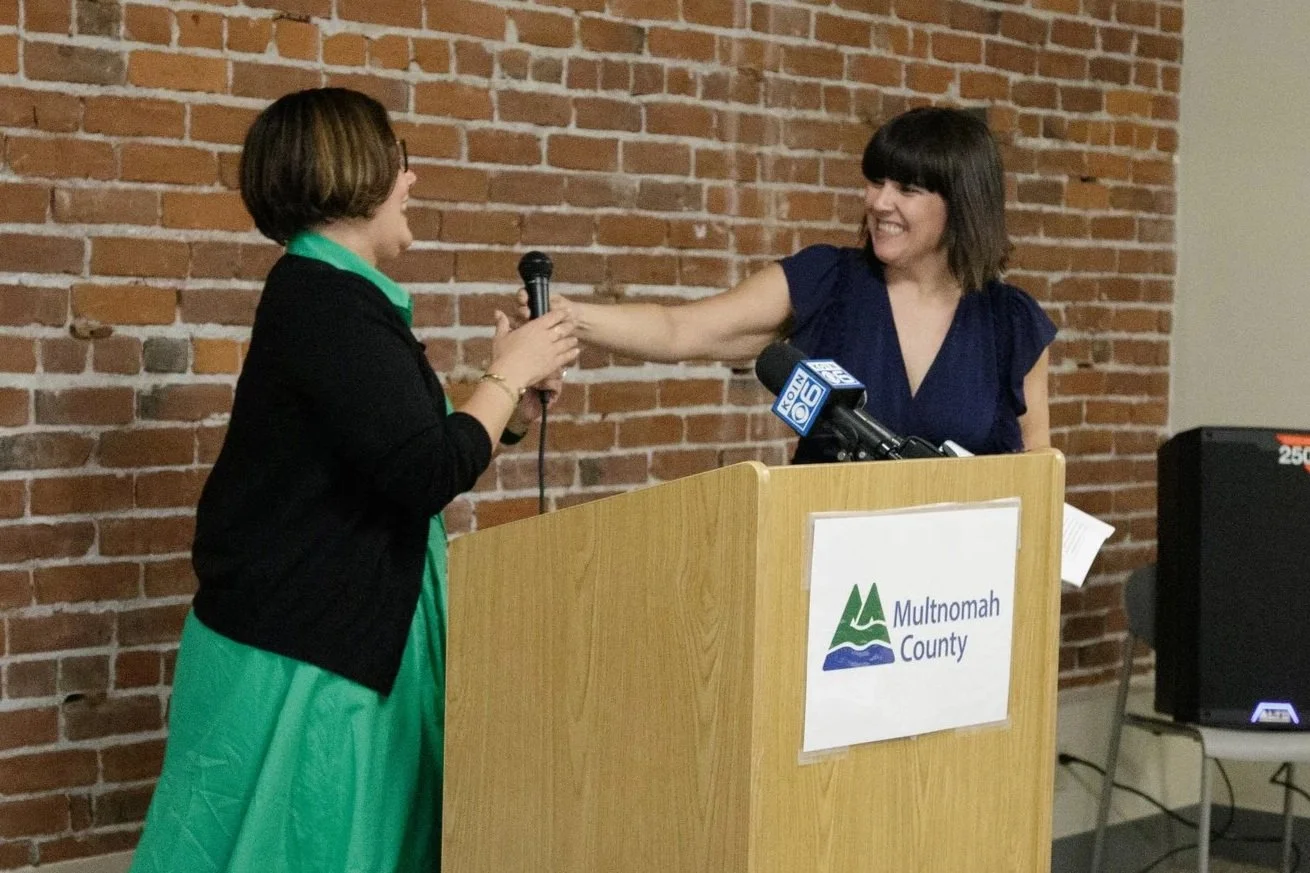
JULY 2024Provider-Police program receives permanent state support
The Provider-Police Joint Connection Project, a collaboration between HJRA, MHAAO, and the Portland Police Bureau, receives permanent funding from Portland, Multnomah County, and the State, becoming part of Oregon’s overdose response infrastructure.
SEPTEMBER 2024HB 4002 goes into effect statewide
Oregon officially re-criminalizes drug possession. Misdemeanor charges resume, while Measure 110-funded harm reduction and recovery services remain in place.
SEPTEMBER 2024SPOTLIGHT: Recovery Works NW Portland detox center celebrates one-year milestone
Recovery Works NW’s Measure 110-funded detox center in Portland reports over 900 completed detox episodes in its first year—many for fentanyl dependency.
DECEMBER 2024Provider-Police program celebrates one year in action
The Provider-Police Joint Connection Project marks one year of operations, with over 150 people diverted from jail and connected to care. HJRA shares Oregon’s model nationally and helps solidify the program’s status as a state-supported deflection strategy.
DECEMBER 2024HJRA raises Oregon’s national profile
HJRA represents Oregon at multiple national conferences on harm reduction and drug policy reform—reinforcing its role as a national leader in care-first, community-led alternatives to criminalization.
By the end of 2024, statewide service data shows care has reached hundreds of thousands.
Providers report more than 299,000 service contacts across detox, medication-assisted treatment (MAT), peer support, housing, and harm reduction programs. Access improves dramatically in rural areas, communities of color, and LGBTQIA+ populations.
2025
JANUARY 2025HJRA participates in statewide research symposium
HJRA presents at the Oregon Measure 110 Research Symposium hosted by Oregon Response to Instruction & Intervention (RTI), sharing insights from five years of implementation, community partnerships, and policy advocacy.
FEBRUARY 2025HJRA supports SB 610 to protect service continuity
HJRA helps pass SB 610, which safeguards the integrity of the state’s grantmaking process and prevents disruption to vital services during the next Measure 110 funding cycle.
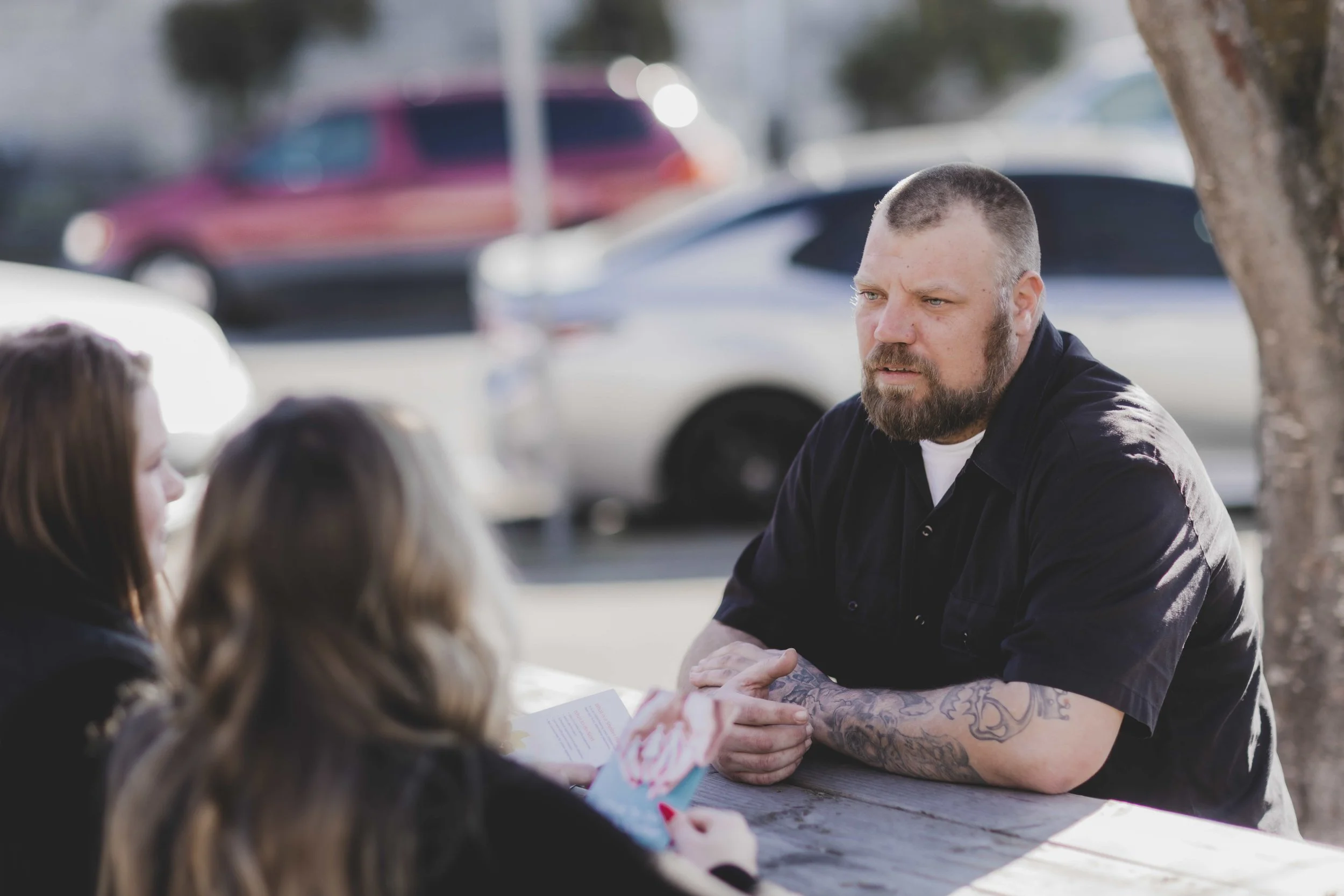
MARCH 2025Over $400M awarded to 220+ providers for 2025–2029
The Measure 110 Oversight and Accountability Council (OAC) finalizes new awards, distributing over $400 million to support Measure 110 services statewide. Despite budget cuts, demand remains high. “We’ve housed over 783 people in recovery housing—and every house still has a waitlist,” says Meli Rose of Iron Tribe Network.
MARCH 2025BHRNs report strong performance despite funding shortfalls
Even with reduced cannabis tax revenue and the loss of law enforcement savings, Behavioral Health Resource Networks continue reporting successes. Statewide, client contacts grow 20% in one quarter alone: from 248,651 to 299,662. Oregon tripled delivery of housing, peer, and employment services over 21 months while expanding culturally-specific programs and rural access.
MARCH 2025Arrests increase statewide following recriminalization
An investigative story reveals thousands of arrests statewide following HB 4002’s enactment, disproportionately affecting unhoused people and overwhelming local jail systems, and doing little to address substance use. “Research has shown incarceration increases the risk of future overdose. And just being arrested on a drug charge increases someone’s overdose risk, even if that person isn’t incarcerated,” says Corey Davis, Assistant Clinical Professor at NYU Grossman School of Medicine.
MAY 2025HJRA helps expose misuse of deflection funds
HJRA provides critical background and context for The Guardian’s national exposé on the misuse of deflection dollars within some Oregon counties, reinforcing the need for transparent implementation, equity safeguards, and community oversight.
HJRA sunsets after five years of work to fund care, shift culture, and show what’s possible.
Originally created as a one-year project, HJRA grew into a five-year statewide movement to protect and advance a health-based approach to substance use in Oregon. On July 31, 2025, HJRA formally sunsets, having helped redirect hundreds of millions of dollars into critical care, changed how Oregon talks about substance use and recovery, and demonstrated what becomes possible when compassion, not criminalization, leads. Yet, the work goes on.