

CASE FOR DECRIMINALIZATION
In 2020, Oregon had the highest rates of substance use and the worst access to treatment in the nation.
We Needed Real Solutions. Measure 110 Was One of Them.
Before Measure 110 passed in 2020, Oregon was deep in a public health crisis — and the state’s approach to substance use was failing.
We had one of the highest rates of substance use disorder in the nation, yet ranked last in access to treatment. The arrival of fentanyl spiked overdose deaths, while the COVID-19 pandemic isolated people from care and overwhelmed already broken systems. People were left without meaningful options — no treatment, no housing, and no support — while the criminal legal system remained the state’s default response. It deepened harm instead of offering help.
At the same time, Oregon’s drug laws were fueling racial disparities.
Black, Indigenous, and Latino communities were criminalized at far higher rates than white Oregonians, despite similar or lower rates of drug use. A single charge could block someone from housing, employment, public assistance, even food.
The damage wasn’t theoretical. It showed up in broken families, denied opportunities, and prison cells filled with people who needed care. Communities most harmed had long called for change — and in 2020, after the murder of George Floyd, that call was echoed across the state.
Measure 110 became part of the growing momentum for change.
As a statewide policy, it rejected criminalization as a response to substance use and offered a path forward grounded in care. For many voters, it was a way to turn protest into policy — and move Oregon toward a future where public health finally took priority over punishment.
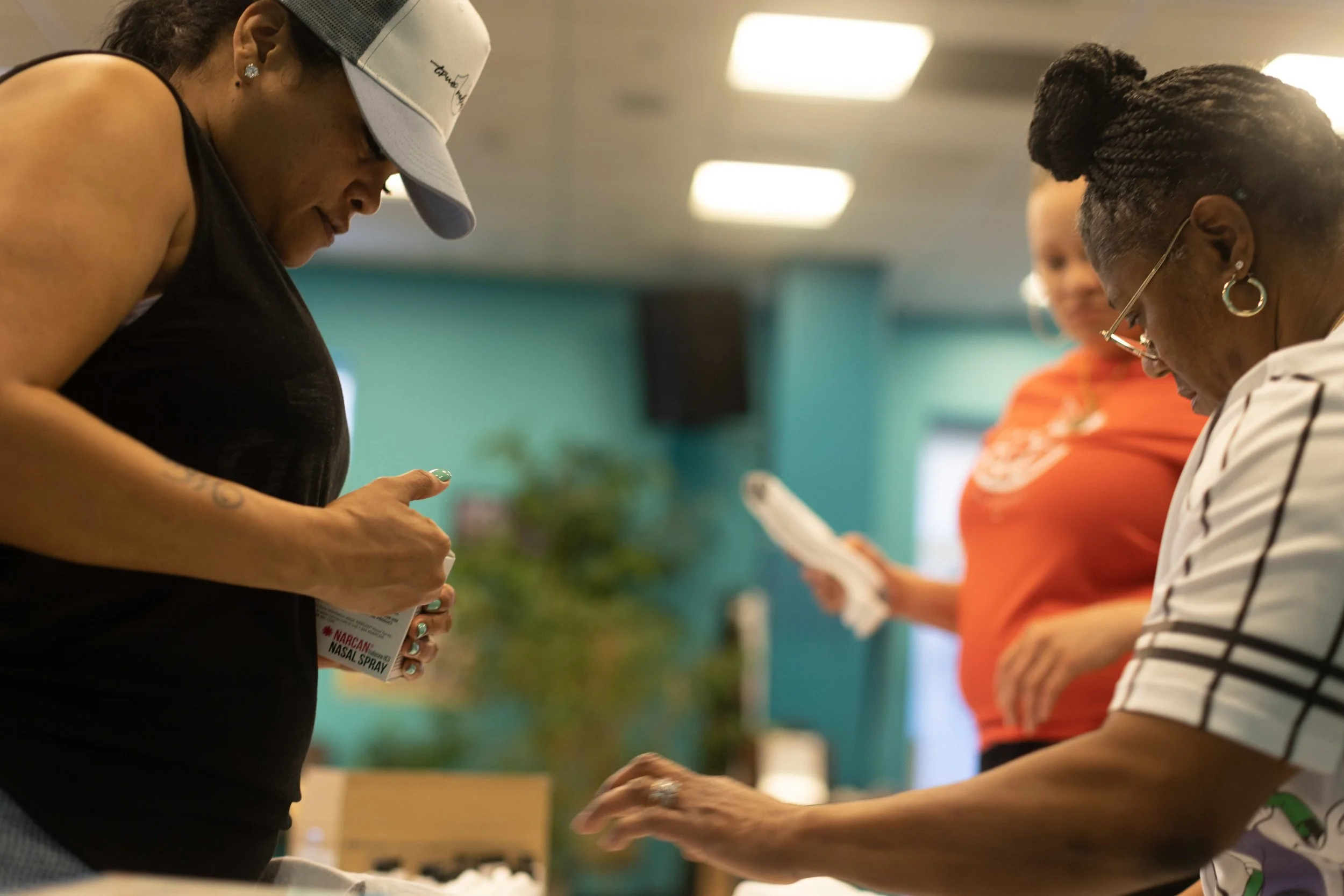
From Harm to Healing: Why Decriminalize?
One in five incarcerated people is locked up for a drug charge. Decriminalization is one of the most effective ways Oregon can reduce harm, dismantle stigma, and expand access to care. Measure 110 helped shift resources away from punishment and toward support — and the results changed lives.
CRIMINALIZATION DISPROPORTIONATELY HARMS COMMUNITIES OF COLOR
Before Measure 110, Oregon had one of the worst racial disparities in drug arrests in the country, while also being lowest in access to harm reduction and recovery services. For decades, Oregon’s drug laws disproportionately targeted Black, Indigenous, Latino, and other communities of color — especially those experiencing homelessness or Substance Use Disorder. Black Oregonians made up just 2% of the population but were criminalized at far higher rates than white residents despite similar or lower rates of drug use.
CRIMINALIZATION CREATES LIFELONG BARRIERS
Criminalization traps people in cycles of poverty, isolation, and instability — when what they need is care. A criminal record, even for a misdemeanor, can derail someone’s future. People with drug convictions often face barriers to employment, housing, education, and healthcare. They are frequently denied access to SNAP benefits, student loans, and professional licenses.
INCARCERATION WORSENS HEALTH OUTCOMES
Incarceration disconnects people from the support systems that actually make recovery possible. Jails and prisons were never designed to treat substance use. In fact, they often make things worse. People released from prison are 13 times more likely to die of overdose in the two weeks after release. Between 2001 and 2018, drug- and alcohol-related deaths in U.S. state prisons increased by over 600%.
Getting Arrested Should Never Be a Prerequisite for Getting Help
Criminalizing drug possession keeps many people from seeking healthcare, treatment, and harm reduction services — even when their lives depend on it. Measure 110 helped change that.
By decriminalizing personal use and reallocating cannabis tax dollars, Oregon strengthened the health of our communities by increasing treatment services, harm reduction, community-based mental health, recovery housing, and more.
This historic shift helped thousands of Oregonians access care without fear of punishment — and redefined what public safety and public health could look like when rooted in compassion.
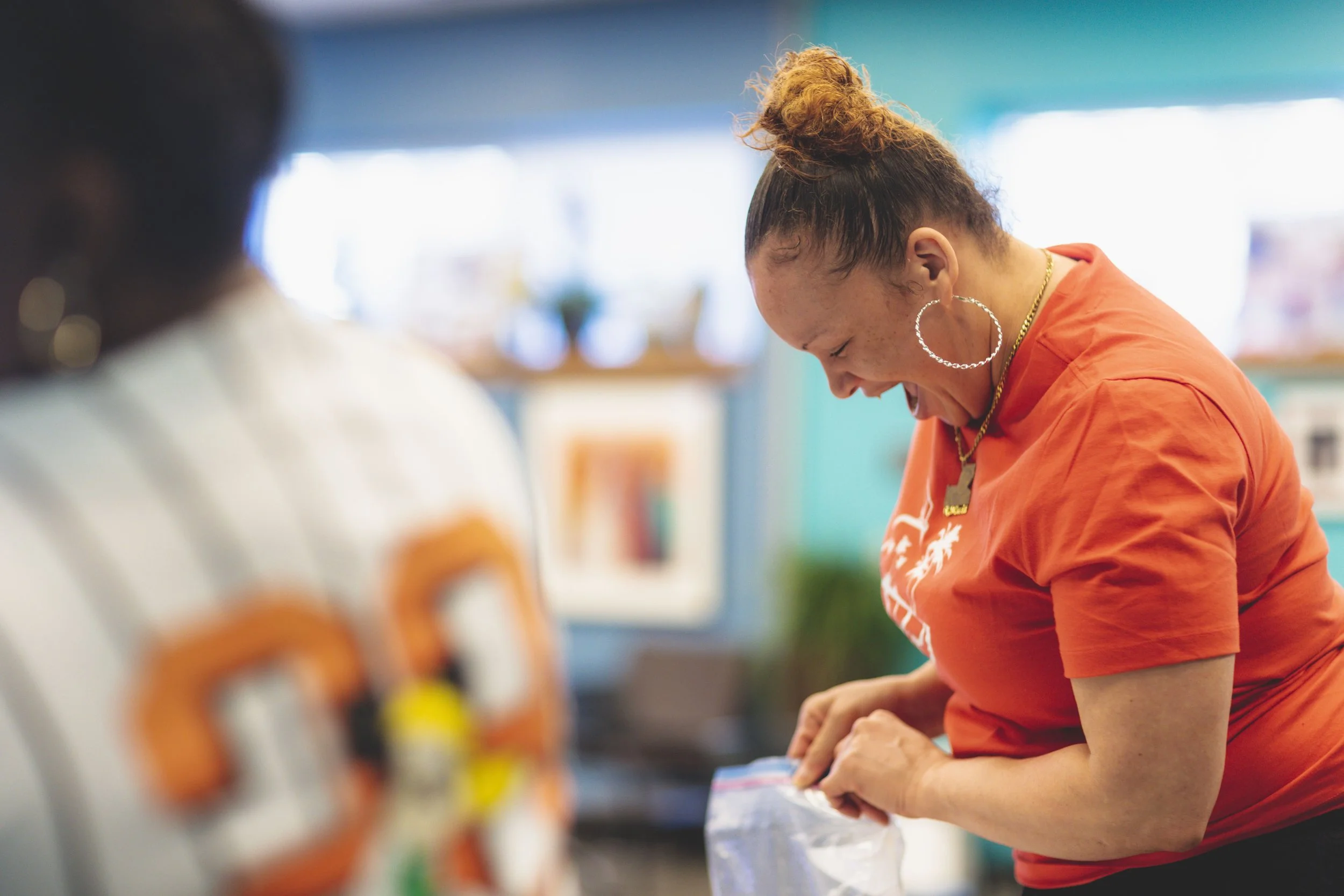
The Legacy Lives On
While HJRA’s work has come to a close, the impact of Measure 110 continues to be felt — in every life touched, every service still standing, and in the heart of every person who has come to understand that recovery doesn't start in jail; it starts with care.