OUR LEGACY
Advancing Measure 110 Across Oregon
Prior to the passage of Measure 110, Oregon ranked among the highest in the nation for substance use disorder, and dead last in access to overdose prevention and recovery services. Fentanyl’s arrival along the I-5 corridor sent overdose deaths soaring throughout Oregon, while the COVID-19 pandemic overwhelmed the state’s already under-resourced behavioral health system. People were left without meaningful options — no treatment, no housing, and no support — while the criminal legal system remained the default response to substance use. Oregon’s law enforcement-driven response to substance use only deepened harm.
Voters demanded a better way.
In November 2020, Oregon voters passed Measure 110 — making the state the first in the nation to decriminalize personal possession of drugs and redirect state cannabis tax revenue toward services that are evidence-based and proven to save lives: treatment, overdose prevention, housing, peer support, and culturally-specific care.
Measure 110’s passage represented more than a policy change; it was a powerful rejection of continuing to respond to substance use with failed drug war tactics — and a bold statement: people struggling with substance use deserve help, not handcuffs.
Measure 110 made a historic investment in care.
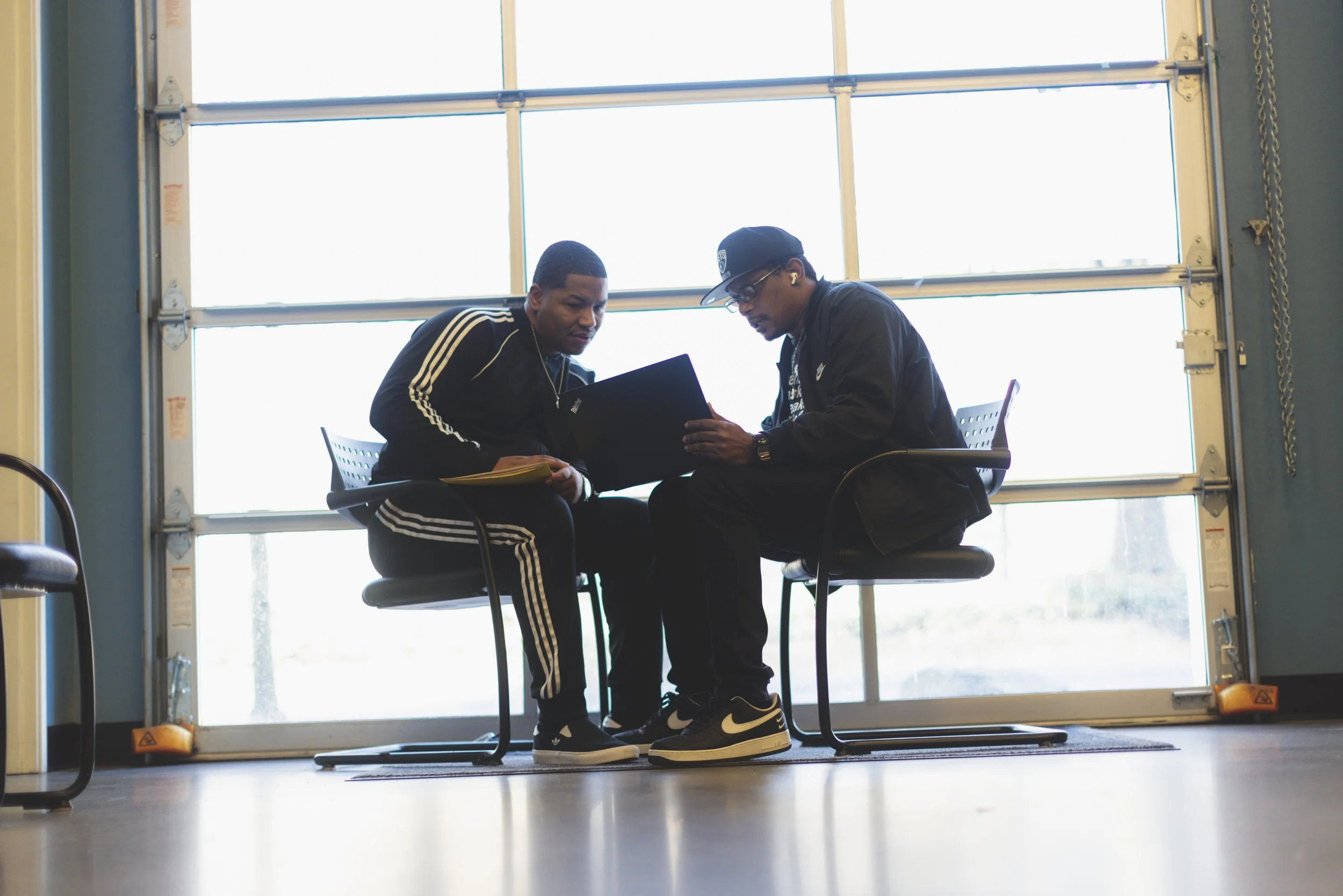
Under Measure 110, Oregon increased funding for overdose prevention and recovery services and established Behavioral Health Resource Networks (BHRNs) in every county. Each BHRN offered a continuum of services including:
Medical detox
Residential and outpatient treatment
Overdose prevention
Peer support
Recovery housing — including stabilization, transitional, long-term, and family options
Culturally and linguistically specific care
Low-barrier access to services — with no insurance or immigration documentation required
Measure 110 made a difference. Arrests dropped. Racial disparities in policing declined. Thousands more people were able to access care. The narrative around substance use began to shift — towards one rooted in health and dignity, not punishment. Measure 110 didn’t fix everything. No single policy could. But it cracked open the door to a better future. And it reminded us — and the people most in pain — that they are not alone, they are not broken, and they are loved.
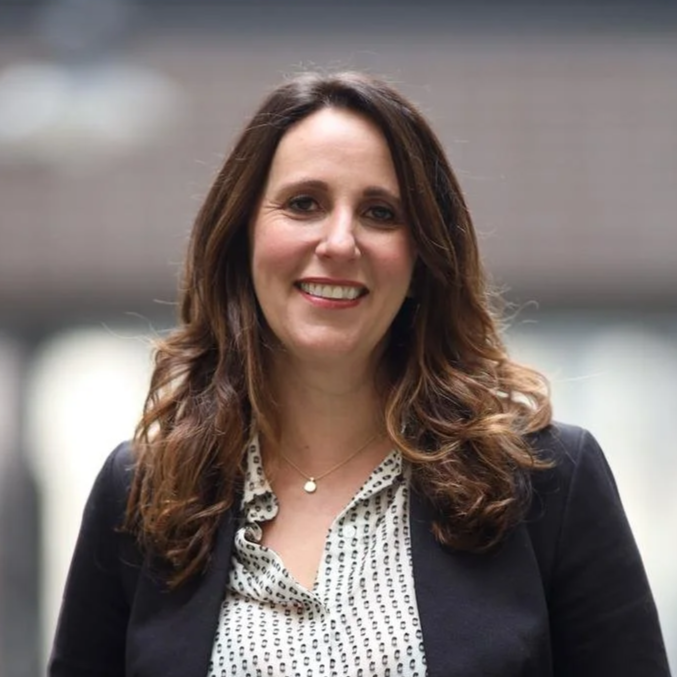
“Measure 110 was designed to dismantle the racist architecture of the War on Drugs and build a public health infrastructure in its place.”
— Tera Hurst, Former Executive Director, HJRA
What was planned as a one-year project had evolved into a five year movement to implement, defend and uphold the vision behind Measure 110. In July 2025, after successfully protecting Measure 110 funding even after decriminalization was repealed, HJRA sunset.
We changed the conversation. We expanded access to care. We showed what’s possible when a state leads with compassion instead of fear — and when policy centers healing over harm.
We may never fully measure the impact of what we built. It was too expansive, too rooted in human connection. But we know it saved lives, shifted public understanding, and gave people something they hadn’t felt from the system in a long time: dignity.
Our key accomplishments shaped this historic chapter in Oregon’s drug policy by:
-
HJRA reframed substance use as a public health issue. We elevated recovery success stories, pushed back on stigma and misinformation, and made the case — in media, community forums, and in the Capitol building — for investment in evidence-based, community-driven care.
-
When initial Measure 110 funding delays threatened to shut down critical programs during the height of the pandemic and the arrival of fentanyl in Oregon, HJRA successfully advocated for the early release of some Measure 110 funds. These Access to Care grants helped providers stay open and serve their communities during a critical time.
-
HJRA’s robust Technical Assistance Hub supported over 50 community and culturally-specific harm reduction and recovery organizations, many of which had never received state funding before. This support helped providers expand operations, strengthen infrastructure, and meet the growing demand for services as the overdose crisis intensified.
-
HJRA convened a statewide Policy Table gathering experts, providers, and people with lived experience to guide Measure 110’s implementation. This advisory body played a key role in shaping funding priorities, informing legislative strategy, and ensuring that the voices of those most impacted by criminalization remained at the center of the policy. The Policy Table became a model for collaborative, community-driven governance in Oregon’s evolving approach to behavioral health.
-
HJRA helped establish and protect the Oversight and Accountability Council (OAC) — a groundbreaking grantmaking body made up of people with lived experience, community leaders, and subject matter experts. The OAC ensured funding decisions were guided by those most directly impacted by criminalization. In 2025, under SB 610, the council’s role was shifted from grantmaking to advisory — but the values it was built on continue to influence how care is delivered in Oregon.
-
Over multiple legislative sessions, HJRA fought to protect the intent and integrity of Measure 110. In coalition with community partners — from the “Yes on 110” ballot measure campaign, to our own Policy Table composed of leaders with lived experience, and as part of the Oregonians for Safety & Recovery Coalition — we helped mobilize the community to stand in support of a health-based approach to substance use. We coordinated testimony, and beat back repeated attempts to defund or dismantle the law, including efforts leading up to the repeal of decriminalization through HB 4002 in 2024.
-
HJRA brought together lawmakers, agency leaders, providers, and people with lived experience as part of Oregon’s largest-ever governmental delegation to Portugal. The delegation studies Portugal’s public health approach to drug policy, a model of decriminalization and investment in care. The delegation helped inform Oregon’s own policy evolution and demonstrated national leadership in pursuing compassionate, evidence-based responses to substance use.
-
This program pairs law enforcement with trained peer outreach workers to connect people struggling with substance use to care instead of arrest. Co-developed with the Peer Company (formerly MHAAO) and the Portland Police Bike Squad, this program offers real-time, low-barrier support with minimal law enforcement involvement. From its earliest days, HJRA led media and messaging efforts, elevated frontline success stories, and built public and political support. We successfully advocated for permanent funding from the City of Portland, Multnomah County, and the State of Oregon as part of the fentanyl emergency response — helping the project grow beyond a pilot into a statewide model for compassionate care with minimal law enforcement interaction and warm handoffs to trained outreach workers.
Curious how we got here? Read HJRA’s story through a timeline of our historic work.
Our Impact: Funding in Action
-
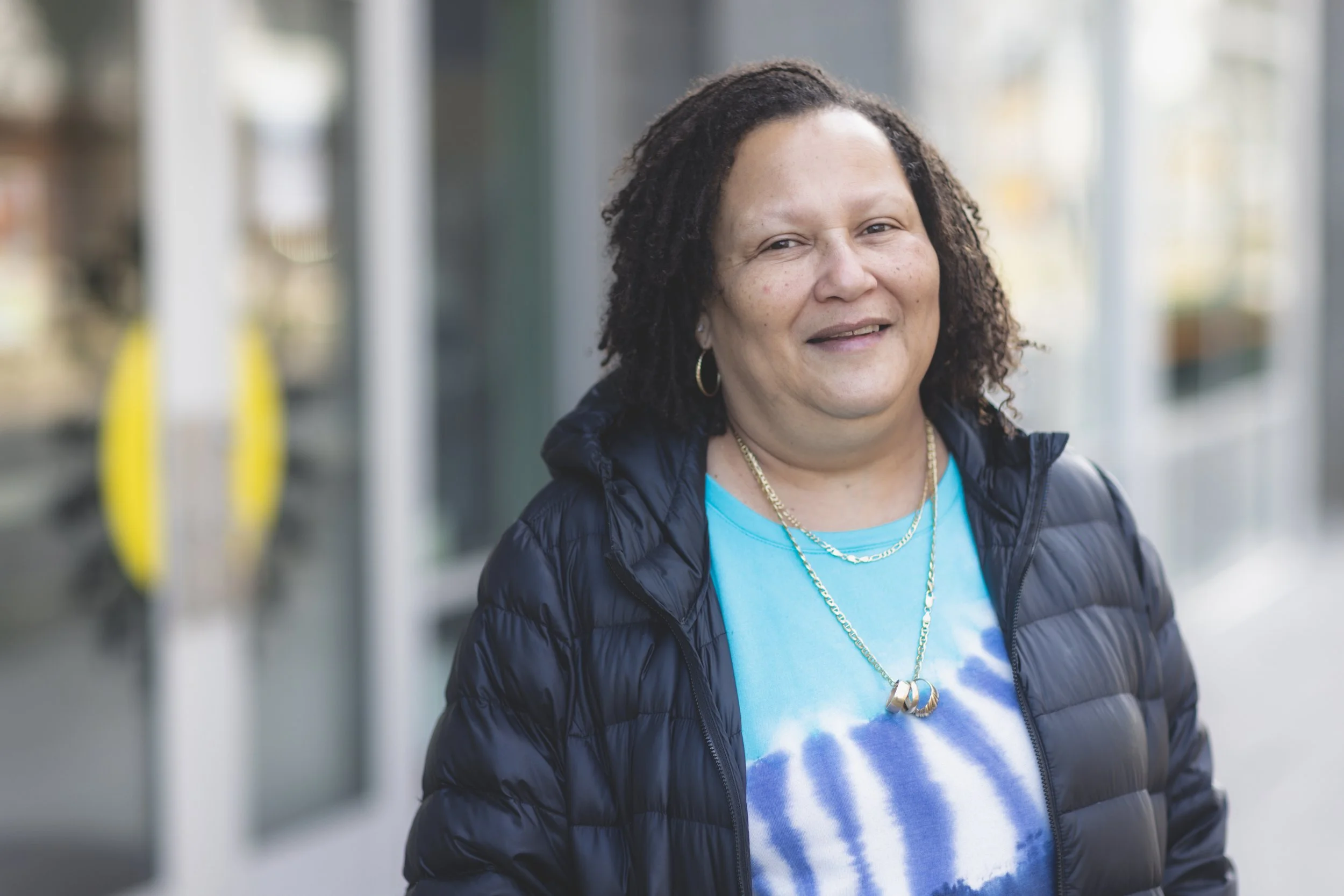
![Executive DIrector of Miracles Club smiles. She wears a blue tie-dye shirt, a black puffy jacket, gold jewelry and is standing outdoors near a building.]()
Julia Mines, Miracles Club (Multnomah County)
“Measure 110 has allowed us to realize the long-held hope for the kind of treatment and services the African-American community needs and deserves to move into long-term recovery. Our Club was created for the Black recovering community decades ago because we have not been made to feel welcome in white recovery clubs. Now we are growing and making history. We are hiring mentors and paying them a living wage with good benefits. We are hosting 48 self-help meetings a week. We have expanded and we are providing sober, transitional housing, including for the African American LGBTQ+ community.”
-
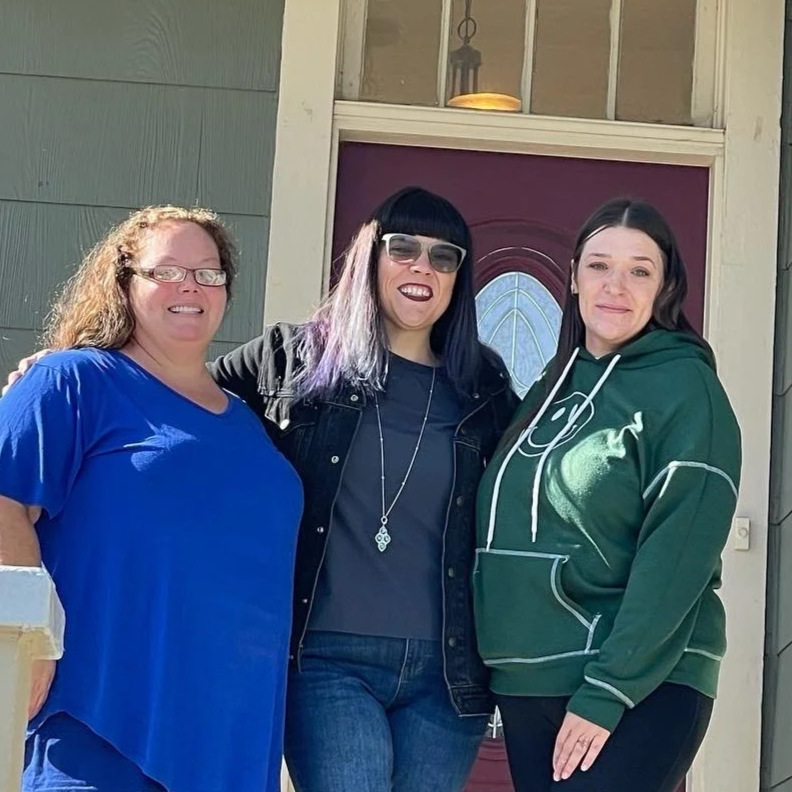
![Three women standing together outside of WINGS house, smiling at the camera.]()
Faith M., WINGS (Columbia Gorge)
“Addiction runs in my family. My parents, grandparents, nine brothers, our cousins. We all struggled with it. I lost custody of my children because of it. But thanks to the WINGS House, I got stable with my recovery. I did the work and regained custody of my children and we lived together in the WINGS house until we were able to make it on our own. WINGS saved my life and my family. With Measure 110 funds, we are able to open our program to more families, including homeless mothers, to provide a safe place for them to come inside and get connected to services.”
-
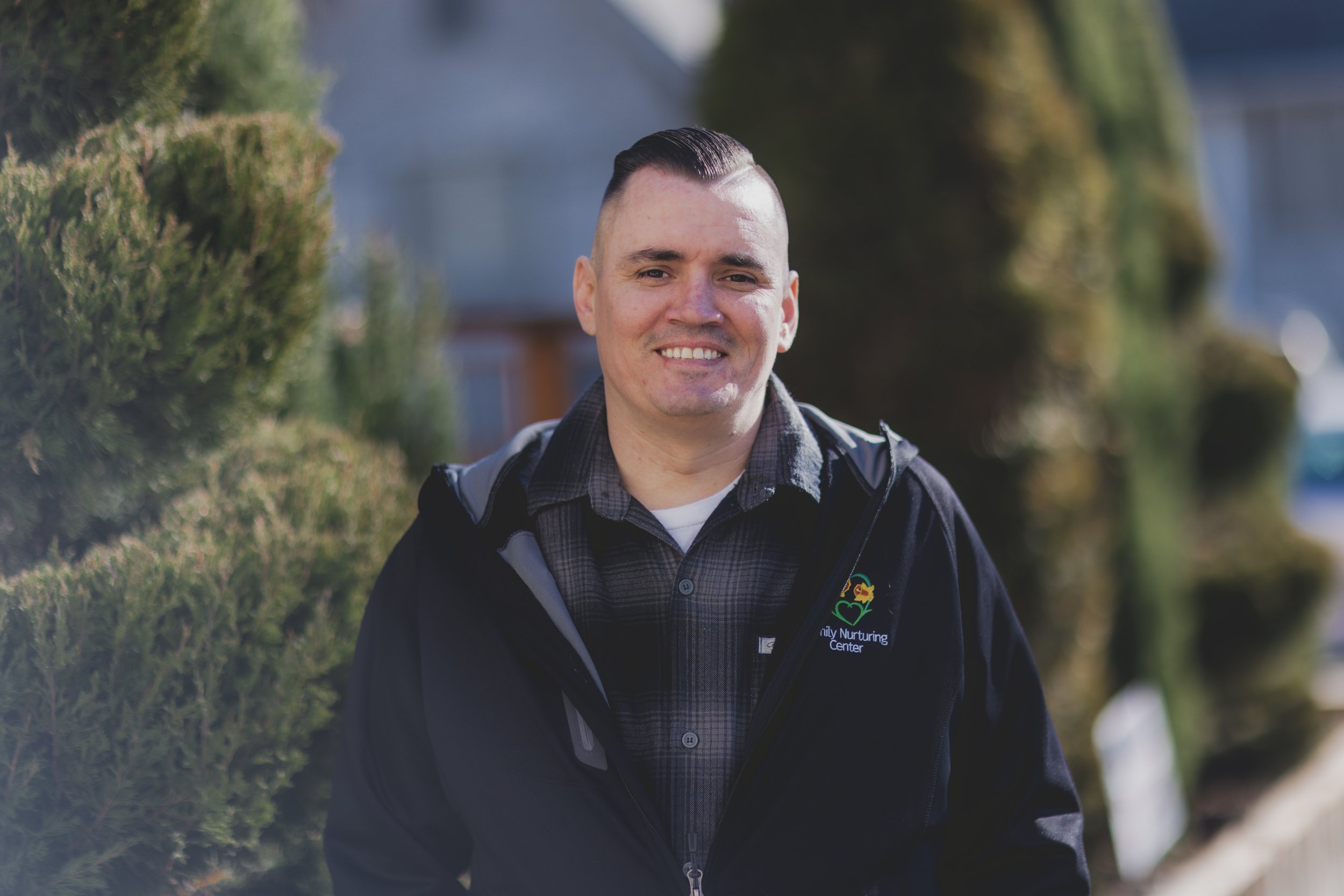
![A provider at Miracles Club smiles, wearing a dark jacket and plaid shirt and standing outdoors with trees and bushes in the background.]()
Brendon Kinzel, Family Nurturing Center (Jackson County)
“Before Measure 110 we could only help families with active child welfare cases. Now we can offer services to families further upstream, before DHS ever gets involved. Measure 110 has helped us to eliminate our waitlist and get more parents engaged in services much more quickly than before. As someone in recovery and father to five children myself… it’s these types of programs that showed me to be the kind of dad I always wanted to be. Seeing other parents learn new tools to help them cope, to find recovery, to learn how to bond with their children in new ways, how to heal past traumas… that is what Measure 110 is making possible in Southern Oregon.”
-
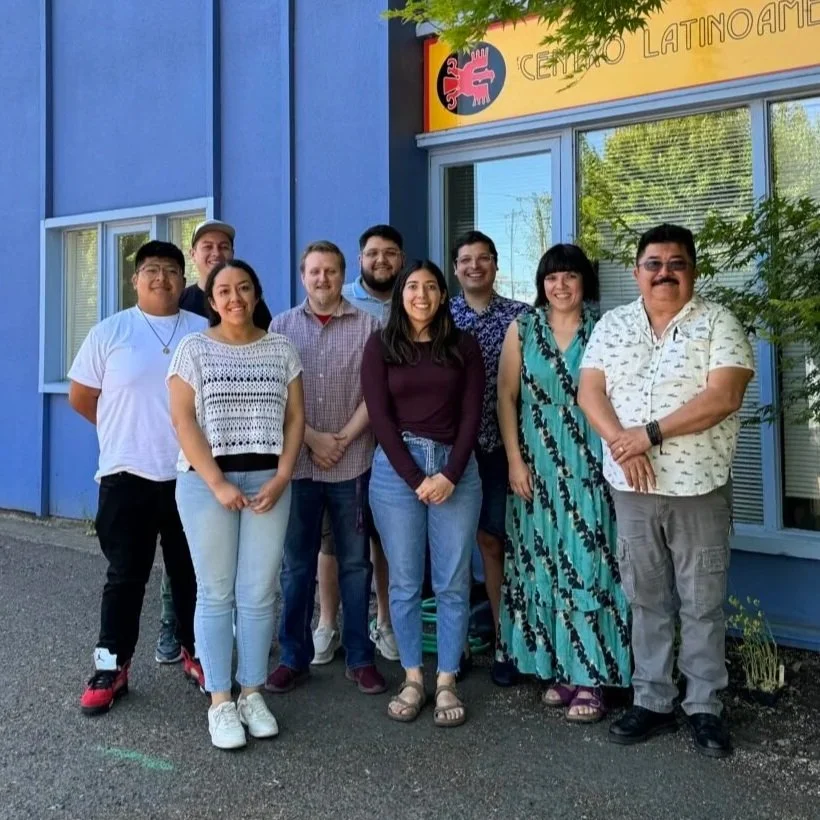
![Group of nine people standing outside a blue building with a yellow sign that reads 'Centro Latinoamericano' and logo, smiling at the camera.]()
Plaza de Nuestra Comunidad (Lane County)
“I have seen how Measure 110 funding has been especially meaningful for the Latino community, where many individuals face barriers such as language access, stigma, fear of systems, transportation challenges, and limited culturally responsive services. Measure 110 has helped expand programs that are culturally specific, bilingual, and community-centered, allowing people to seek help in spaces where they feel safe, understood, and respected.” - Basilio Sandoval, Clinical Supervisor and Program Manager, Plaza de Nuestra Comunidad
-
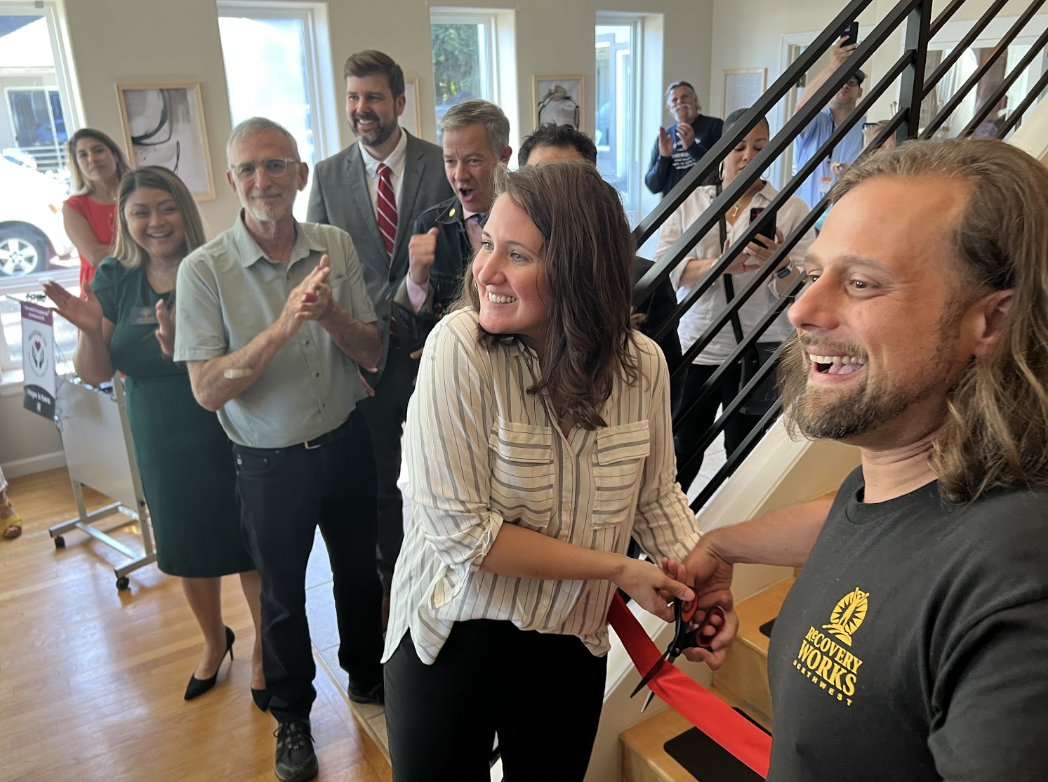
![Two people cut a ribbon while others smile and clap behind them at the grand opening of Recovery Works.]()
Joe Bazeghi, Recovery Works NW (Yamhill, Multnomah & Clackamas)
“Recovery Works NW utilized BHRN funding to open a medical detox facility that expanded the metro area’s capacity for medical withdrawal management by nearly 20%. In its first 18 months of operations, our NW Foster Road Medical Detox Facility has provided nearly 1,500 treatment episodes, the vast majority representing interruption of deadly fentanyl and methamphetamine dependencies.”
-
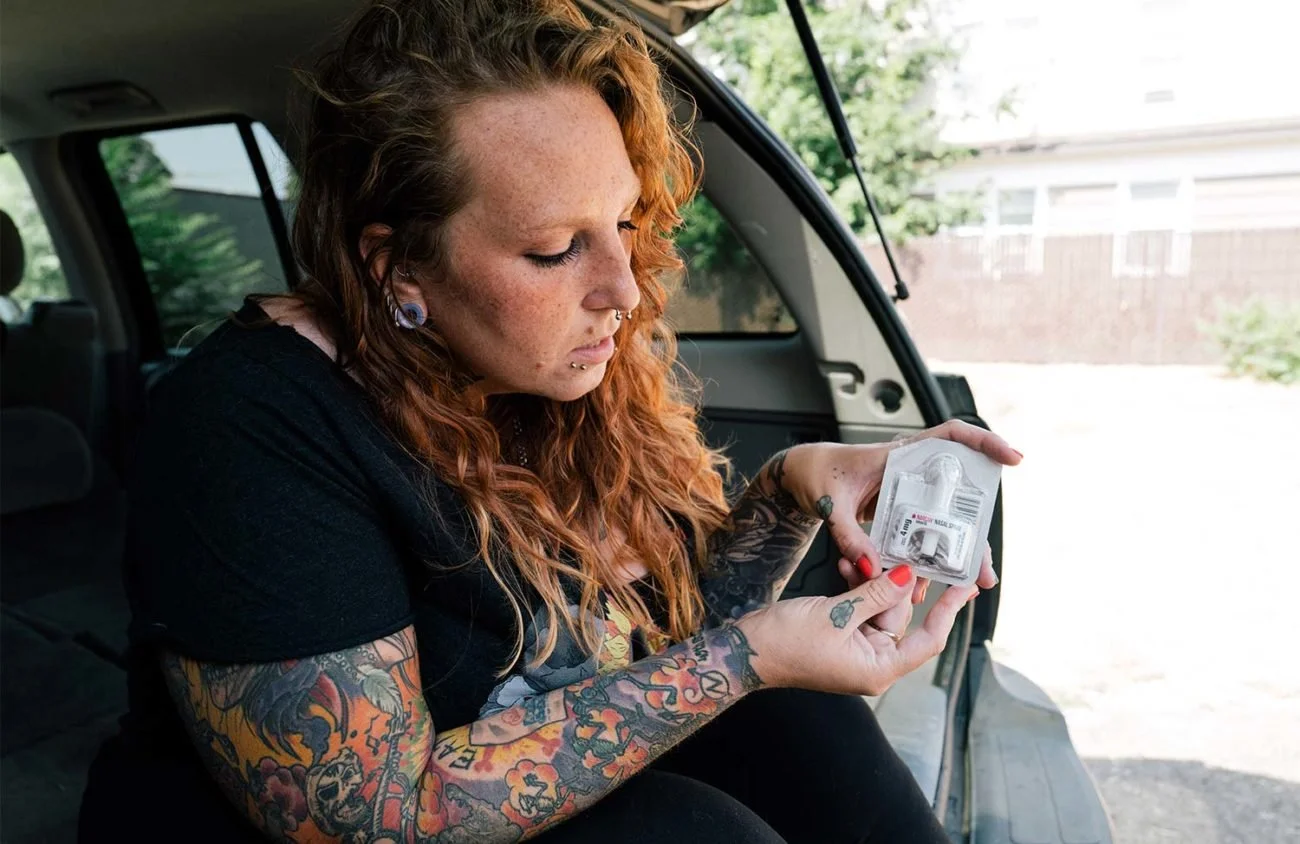
![A woman from CORE with curly red hair, tattoos on her arms, and piercings, sits in a vehicle, looking at a package of supplies.]()
Brittiny Raine, CORE (Lane County)
“Community Outreach for Radical Empowerment (CORE) provides harm reduction and recovery services to young people ages 16-29. BHRN funding enabled CORE to take an additional 200 young people onto our caseloads, providing them with vital supports like transportation assistance, peer support, and rental stabilization that has prevented clients from losing their housing.”
-
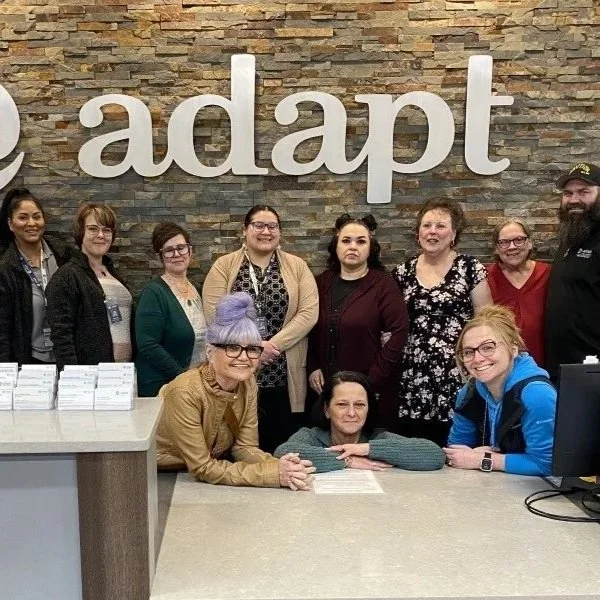
![Team at Adapt stand and sitting in front of a brick wall with the word 'adapt' on it, in a reception area.]()
Adapt (Curry County)
“BHRN funding helped us increase services, reduce wait times, and be able to serve more community members who are uninsured. We have expanded outreach, and been able to partner with other community entities, like the HIV Alliance, to more effectively meet the needs of our community.”
-
![Long-term addictinon and mental health provider Rick Treleaven looks at camera wearing a blue shirt.]()
Rick Treleaven, BestCare Treatment (Deschutes County and others)
“Since the implementation of BHRNs, referrals to our intensive outpatient services in Deschutes County have doubled. Over the same period, referrals to our medication-assisted treatment services for people with opiate addiction have tripled.”